Viral Bacterial Germ with Mono Z: An Embroidery Review
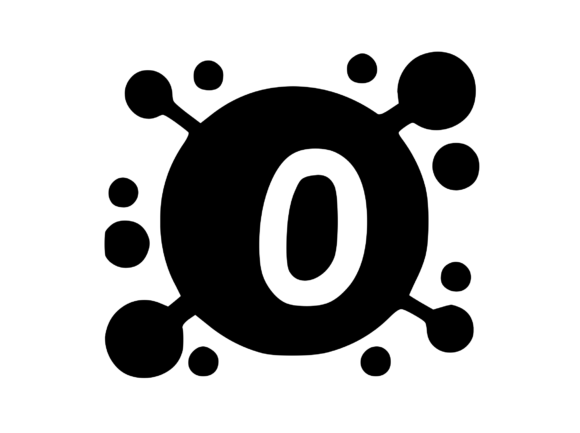
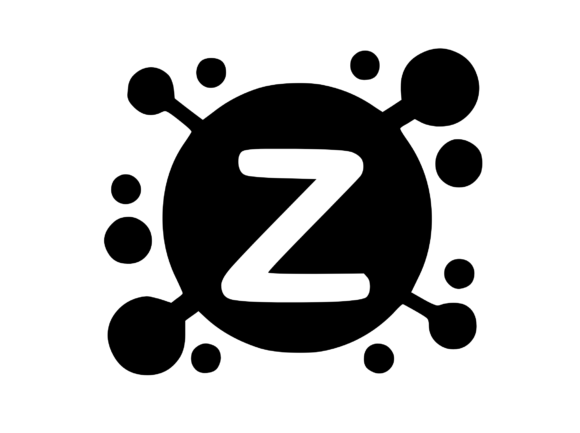
The first time I opened the Viral Bacterial Germ with Mono Z file, I wasn’t sure what to expect. The name alone stirs curiosity, and the design itself carries a bold, almost playful personality that sits somewhere between science illustration and streetwear edge. As someone who has stitched hundreds of machine embroidery designs for clients and my own craft business, I’ve learned that not every graphic translates well into thread. This one, though, has a clear visual voice from the start. It feels modern, slightly irreverent, and surprisingly versatile once you start thinking about where it could land on a finished product.
First Impressions: Mood, Shape, and Visual Personality
When I previewed Viral Bacterial Germ with Mono Z, I noticed right away that the composition is clean without feeling sterile. The germ motif is stylized, not hyper-realistic, which is a smart move for embroidery projects where too much fine detail can get lost. The mono element adds a graphic weight that gives the design a confident stance. The overall mood is edgy but not aggressive — it’s the kind of design asset that would catch a customer’s eye at a craft fair or in an Etsy listing because it doesn’t look like every other floral or script monogram out there.
Visually, the shape is compact enough to work on a range of products, yet it has enough character to stand alone without needing extra embellishment. The theme leans into the current fascination with microbiology pop culture, but it does so with restraint. That restraint matters when you’re planning to sew this onto custom apparel or a handmade product that needs to feel intentional, not gimmicky.
Real Case: Stitching This Design onto a Tote Bag
I decided to test Viral Bacterial Germ with Mono Z on a medium-weight canvas tote bag. Tote bags are a staple in my small shop product lineup, and they’re one of the best canvases for evaluating how an embroidery file behaves in real stitching. I used a medium hoop size and a standard 75/11 needle. The stabilizer choice was a tear-away medium weight, which I typically reach for on woven fabrics.
The design stitched out with solid satin stitch areas that held their shape without puckering. The fill stitch sections were dense enough to create a bold visual but not so dense that the fabric distorted. I ran a quick test on scrap first — something I always advise — and that let me adjust the thread colors slightly. The original palette worked fine, but I swapped one tone for a brighter contrast to make the germ pop against the natural canvas color. That’s the kind of small tweak that turns a graphic into a personalized gift customers actually want to carry.
After washing the tote (cold water, line dry), the design held up well. No fraying, no distortion, and the stitch density felt balanced. If you’re an Etsy seller or handmade shop owner considering this for tote bag design rotation, I’d say it’s a strong candidate — especially for customers who want something outside the usual botanical or animal motifs.
How It Performs on Different Products
I’ve mentally run this machine embroidery design through several product categories, and it performs differently depending on the surface. Here’s what I observed:
- Sweatshirt embroidery: The design reads well on mid-weight fleece. The satin areas stay crisp, and the mono element adds a nice graphic anchor. I’d recommend a cut-away stabilizer here to prevent tunneling.
- Baby embroidery and kids apparel: The germ theme might feel a little tongue-in-cheek for baby gifts, but it works for older kids or parents with a science sense of humor. Keep the hoop size appropriate for smaller garments.
- Embroidered patch: This design would make a killer patch. The bold shapes and limited thread colors translate well into a standalone patch that can be sewn onto jackets, backpacks, or caps.
- Cap and hat embroidery: Curved surfaces are always tricky, but the compact layout of this design helps. Avoid placing it too close to the brim seam, and test on a cap form first.
- Pillow cover and tea towels: For home goods, the design adds a quirky accent. It’s not for everyone, but a small shop product line with a science theme could use this as a signature piece.
- Holiday embroidery: Not a traditional holiday motif, but if you’re doing a “germ season” or wellness-themed release, it fits naturally.
Where to Use This Design Carefully
No embroidery project is one-size-fits-all, and Viral Bacterial Germ with Mono Z has some areas that need attention. I’d advise caution in the following situations:
- Small hoop sizes: If you’re working with a 4x4 hoop, the details may crowd. Scale down carefully and check that the stitch density doesn’t become too tight.
- Thin or stretchy fabric: Lightweight knits and silky materials may struggle with the dense stitch areas. Use a cut-away stabilizer and reduce speed if needed.
- Dark fabric backgrounds: The design relies on contrast. On black or navy fabric, make sure your thread colors are light or bright enough to keep the germ shape readable.
- Layered garments (jackets, hoods): Thick seams and multiple fabric layers can cause registration issues. Hoop only the area you’re stitching, and avoid floating the design over bulky seams.
- Products that need frequent washing: Kitchen towels, napkins, and baby items see a lot of wear. Test a stitched sample through several wash cycles to confirm the fill stitch and satin stitch hold up.
Practical Designer Notes for Real Use
After working with this digital embroidery file, I put together a short checklist that I share with creative entrepreneurs and apparel decorators who are considering it for their next run:
- Test on scrap fabric first. Always. Even if the file looks clean on screen, thread tension and fabric texture can change everything.
- Review the thread color sequence. Some machine embroidery designs group colors in ways that don’t match your intended palette. Reorder if needed.
- Check the stitch density. If the design feels too heavy for your fabric, reduce density in your software or choose a lighter stabilizer.
- Test black and white mockups. Print a grayscale version to see how the design reads without color. This helps with printable mockup use and digital product previews.
- Compare light and dark fabric backgrounds. The same thread color looks different on white versus black fabric. Stitch a small sample on both.
- Confirm licensing before selling. If you’re using this as a commercial embroidery asset, check whether you can sell the finished product or need to buy an extended license. This applies to Etsy sellers, craft business owners, and anyone producing items for sale.
- Think about brand consistency. If your shop leans rustic or vintage, this design might feel out of place. If you cater to modern, bold, or niche audiences, it could be a signature look.
Visual Appeal and Customer Impact
From a buyer’s perspective, Viral Bacterial Germ with Mono Z communicates something specific. It says the wearer or owner has a sense of humor about science and style. That’s a valuable niche for small shop product lines and handmade product collections. When I showed the stitched tote to a few regular customers, the response was split — some loved the unexpected theme, and others weren’t sure. That’s fine. Not every design needs universal appeal. For the customers who do connect with it, the design feels personal and intentional, which drives buyer engagement and repeat sales.
The handmade presentation matters, too. A cleanly stitched design on a quality garment or accessory increases product value and customer trust. This design, when executed well, looks deliberate and polished — not like a random clip art converted to thread. That distinction is what separates a personalized gift from a generic item.
Final Take for Designers and Shop Owners
Viral Bacterial Germ with Mono Z is not a safe, mass-appeal design. It’s a specific visual statement that works best for design assets targeting a curious, modern audience. If you’re an embroidery designer, small business owner, or hobbyist looking to diversify your product catalog with something that stands out, this file deserves a test stitch. Pay attention to fabric texture, thread color contrast, and hoop size compatibility. Run it through a wash cycle. And most importantly, imagine it in the hands of your customer — the one who wants a product that starts a conversation. This design does exactly that.
For digital product sellers and creative entrepreneurs who offer embroidery file collections, this machine embroidery design fits well into a Graphics or Crafts lineup. Just be sure to verify the embroidery file specifications before listing, especially if your buyers work with different machine formats. A thoughtful product page that explains the design’s personality and best-use scenarios will help your Etsy listing or small shop product page convert browsers into buyers.
In the end, Viral Bacterial Germ with Mono Z is a design that rewards attention to detail. It’s not a casual stitch-and-go file. But for those willing to test, adjust, and place it thoughtfully, it offers real potential for memorable custom apparel, handmade products, and personalized gifts that feel fresh and original.