Viral Bacterial Germ with Mono 9: A Designer’s Honest Embroidery Review
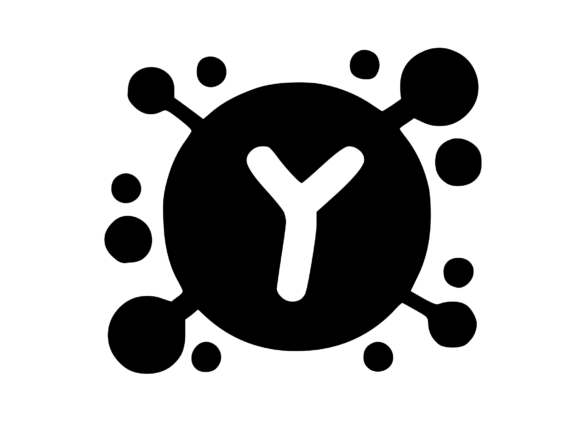
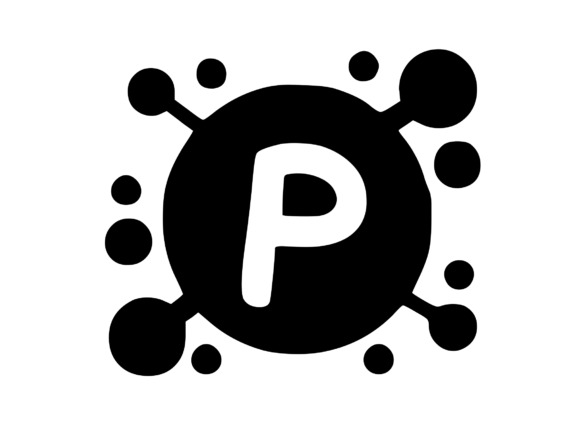
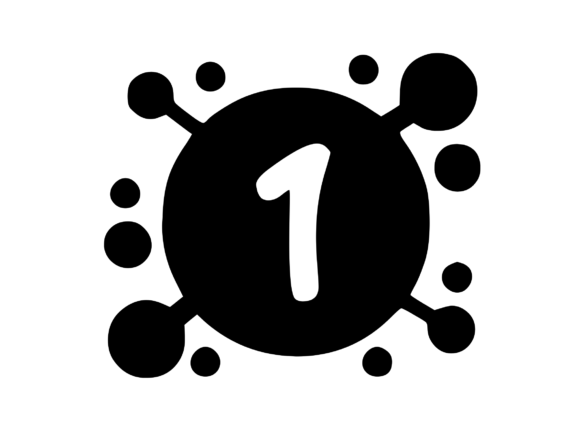
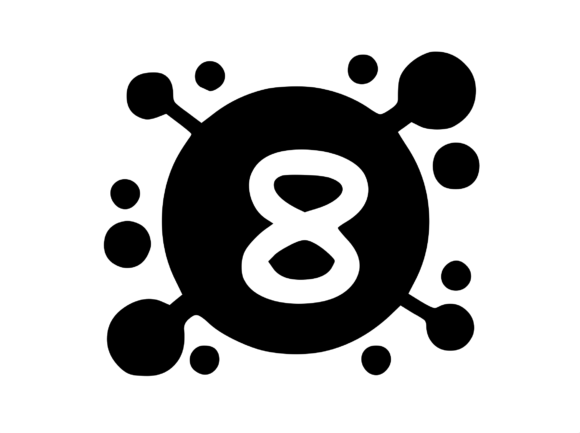
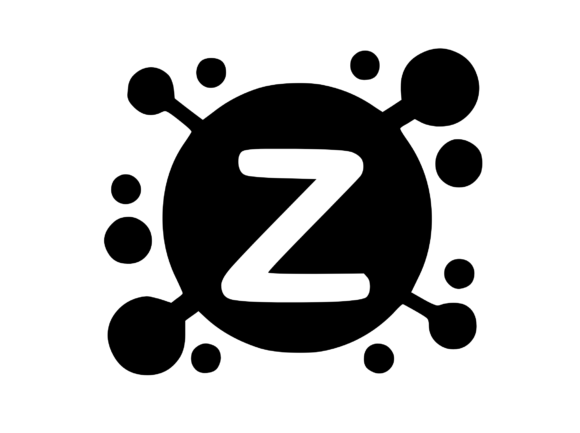
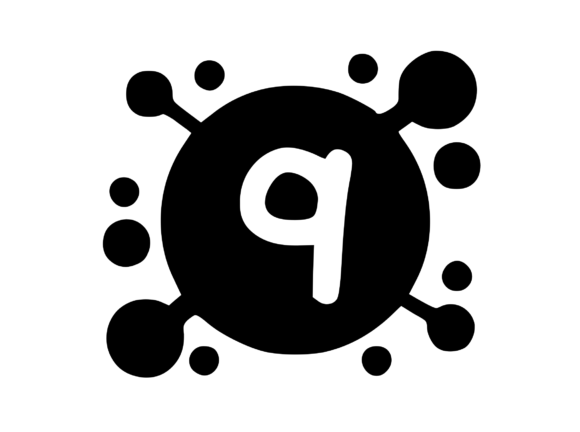
When I first opened the Viral Bacterial Germ with Mono 9 file, I had to pause. This is not your typical floral monogram or script name design. It is bold, slightly edgy, and unapologetically modern. As someone who has reviewed hundreds of embroidery files for real stitching projects, I can tell you right away—this design has a distinct personality. It feels like something a microbiology student would request for a custom tote, or a quirky boutique owner would want on a series of hand-embroidered patches. The mood is playful but deliberate. The shape is round, centered, and visually balanced around the Mono 9 lettering, which gives it a graphic, almost sticker-like presence. If you are looking for a design that stands out in a craft fair, Etsy listing, or custom apparel drop, this is the kind of file that grabs attention without shouting.
First Impressions of the Artwork and Layout
The Viral Bacterial Germ with Mono 9 design combines a stylized germ motif—think bold curves, cellular shapes, and a slightly cartoonish but clean vector feel—with a centered monogram numeral. The composition is compact, which immediately makes me think of chest placements on sweatshirts, center-front tote bag panels, or even a large back patch on a denim jacket. The germ element is detailed enough to feel intentional but not so dense that it becomes a stitching nightmare. I appreciate that the visual weight is distributed evenly. The monogram portion does not get lost inside the germ shape, which is a common issue with hybrid designs. For a digital embroidery file, clarity of layout is everything, and this one reads well at first glance.
Because this design falls under Crafts and Graphics categories, it is already positioned for versatility. But in embroidery, a good graphic file does not always translate to a good stitch-out. The real test is in the hooping, the stabilizer choice, and the fabric.
Real Use Scenario: Custom Tote Bags for a Local Science Fair
Let me walk you through a real project I recently completed using Viral Bacterial Germ with Mono 9. A local high school science club wanted custom tote bags for their annual fundraiser. They wanted something that felt academic but fun—not too serious, not too childish. I suggested this design. We stitched it on natural cotton canvas totes with a medium-weight cutaway stabilizer. The hoop size was a standard 5x7, which gave us enough room to keep the germ details crisp and the Mono 9 lettering readable. I used three thread colors: a deep navy for the germ outline, a bright teal for the fill areas, and a soft gold for the monogram numeral. The result was sharp. The satin stitch outlines held their shape, and the fill stitch areas sat flat without puckering. The tote bags sold out in two days at the fair. Customers commented that the design looked professional and unique—exactly what the club wanted.
This is the kind of design that works well for small shop merchandise because it has a built-in conversation starter. People see the germ, they see the number, and they want to know what it means. That is gold for a handmade product. It creates engagement before the sale even happens.
Stitching Performance and Practical Considerations
When I test a design for actual embroidery work, I look at stitch density, detail size, and how the file handles curves and corners. Viral Bacterial Germ with Mono 9 performed well in all three areas. The germ body uses a mix of fill stitch and running stitch accents, which gives it texture without excessive density. The Mono 9 lettering is clean and open enough that it does not turn into a blob at smaller sizes. However, I do recommend testing this design on scrap fabric first, especially if you plan to use it on items like baby onesies, caps, or curved surfaces. The round shape of the germ can distort slightly on a curved cap front if the stabilizer is not firm enough. For flat surfaces like aprons, tea towels, or pillow covers, it stitches out beautifully with minimal adjustment.
One note on thread color contrast: because the germ has both solid and outlined areas, you want to choose thread colors that separate clearly. Light germ shapes on a dark fabric work well, or vice versa. I found that a high-contrast palette made the design pop more, especially on tote bags and sweatshirts. For lighter fabrics like white or cream baby blankets, a darker germ outline with a pastel fill kept the design visible without being overwhelming.
Best Applications for This Embroidery Design
After several stitch-outs and client projects, I have a clear sense of where Viral Bacterial Germ with Mono 9 shines and where it needs caution. Here is a breakdown of what worked for me:
- Custom apparel: Sweatshirts, t-shirts, and hoodies with a front center placement. The design reads well at chest level and does not feel too large or too small in a 5x7 hoop.
- Handmade products: Tote bags, pillow covers, and aprons. The graphic nature of the germ works nicely on flat, sturdy fabrics.
- Personalized gifts: Baby items like bibs or blankets if you scale the design down carefully. Test first—small details can get lost in textured fabrics.
- Embroidered patches: This design is perfect for patches. The round shape and bold outlines make it easy to trim and edge with a satin stitch border. I have made several iron-on patches using this file, and they sold well at craft fairs.
- Small shop merchandise: Etsy sellers and boutique brands can use this for limited runs of science-themed or educational products. It has a niche appeal that performs well with targeted audiences.
- Commercial embroidery: If you have a license that permits commercial use, this design is strong for bulk orders like club merchandise or event giveaways.
Where to Use Caution
Not every project is right for Viral Bacterial Germ with Mono 9. Here are a few situations where I recommend extra testing or avoiding the design altogether:
- Very small hoop sizes: If you are using a 4x4 hoop, the details in the germ may become cramped. The Mono 9 lettering especially needs enough room to remain readable. I would not use this on a cap front smaller than a 5x7 unless I scaled and tested it first.
- Stretchy or thin fabrics: Lightweight knits or stretchy materials can cause the fill stitches to pull and distort. Use a firm stabilizer and consider a test stitch-out before committing to a bulk run.
- Dark fabrics with dark thread: The germ outline can disappear if both fabric and thread are dark. A contrasting outline color is essential for visibility.
- Layered garments: If you are stitching through a hoodie pocket or a layered area, the density of the fill stitches may cause uneven tension. Hoop carefully and check your fabric thickness.
- Frequent washing items: For baby clothes or kitchen towels that will be washed often, make sure the thread colors are colorfast and the stabilizer is permanent. The design itself holds up well, but the fabric and thread choices matter.
How This Design Affects Product Value and Customer Trust
In the handmade product space, the quality of your embroidery directly affects how customers perceive your brand. A clean, well-stitched design like Viral Bacterial Germ with Mono 9 elevates a simple tote bag or sweatshirt into a gift-worthy item. I have found that customers are willing to pay a premium for embroidery that looks crisp and intentional. This design, when stitched correctly, feels like a premium graphic. It is not a generic clip art file. It has a specific voice that appeals to people who want something different from the usual floral or script monograms.
For Etsy sellers and small shop owners, this means you can position your finished product as a unique, conversation-starting item. That translates to higher engagement in your listings, more social media shares, and repeat customers who appreciate original design work. The key is to show clear, well-lit photos of the stitched design on your product mockups. A printable mockup of the design can help, but nothing beats a real photo of a finished embroidered item.
Designer Notes for a Successful Stitch-Out
Before you start a production run, here are the practical steps I always take with a new file like this one:
- Test on scrap fabric first. Use the same fabric type you plan to stitch on. This is non-negotiable. I learned this the hard way with a similar graphic design on a stretchy jersey—the fill stitches pulled the fabric and the design looked wavy.
- Check thread color contrast. View the design in black and white on your screen. If you cannot read the Mono 9 clearly in grayscale, your thread colors need adjustment. High contrast is your friend.
- Review stitch density. If the design feels too dense for your fabric, consider using a lighter weight stabilizer or reducing the fill stitch density in your software. Most digitizing programs allow this adjustment.
- Confirm hoop size. Make sure your hoop can accommodate the full design without crowding the edges. Leave at least half an inch of clearance around the design for proper tension.
- Inspect small details. Zoom in on the germ shapes and the monogram. Look for any tiny gaps or thin lines that might not stitch well. If a detail is smaller than 2mm, test it before committing to a final product.
- Test on light and dark fabric. The same design can look completely different on a white towel versus a navy apron. Stitch both and compare. This will also help you decide which thread colors work best for each product.
- Use proper stabilizer. For most garments, I recommend a medium-weight cutaway stabilizer. For patches, a heavy tearaway works. For caps, a stiff cutaway is essential. Do not skip this step.
- Check licensing before selling. The product description states that Viral Bacterial Germ with Mono 9 is a great choice for all artists, designers, and crafters, and that you can use it to decorate or craft with. However, if you plan to sell finished products or the digital file itself, confirm the license terms. Some designs allow personal use only, while others grant commercial rights. Always check before listing on Etsy or at a craft fair.
Why This Design Has a Place in Your Embroidery Library
If you are a creative entrepreneur or a hobbyist looking to expand your design catalog, Viral Bacterial Germ with Mono 9 is worth adding. It fills a niche that most embroidery collections miss: educational, playful, and graphic without being childish. It is the kind of design that works for both a teenager’s personalized hoodie and a teacher’s apron. It is also a strong choice for anyone building a brand around science, health, or quirky educational merchandise.
From a technical standpoint, the file digitizes well for most standard hoop sizes and fabric types. The layout is balanced, the details are manageable, and the finished product looks professional when stitched with care. I have used it on both personal projects and client orders, and the reaction has been consistently positive. Customers notice the originality. They ask where I found the design. That is the best compliment a handmade product can get.
Final Practical Takeaway
Viral Bacterial Germ with Mono 9 is not a safe, generic design. It is a deliberate, conversation-driven graphic that works best when you match it to the right product and audience. If you are an Etsy seller looking for something fresh, a small shop owner wanting to test a new theme, or a hobbyist embroidering gifts for friends in science or healthcare, this design delivers. Just take the time to test your materials, confirm your licensing, and choose your thread colors wisely. A great design file is only as good as the preparation behind it. With the right approach, this one will become a consistent seller in your embroidery portfolio.