Viral Bacterial Germ with Mono M: Embroidery Review
When I first opened the Viral Bacterial Germ with Mono M design file, I will admit I was curious. As someone who has stitched hundreds of machine embroidery designs for custom apparel, handmade products, and small shop merchandise, I have seen plenty of cute florals, monograms, and cartoon animals. This design, however, pushes into a distinct territory. It blends a playful science-themed character with a bold Mono M element, giving it a look that feels both educational and slightly irreverent. If you are an Etsy seller, craft business owner, or apparel decorator looking for something that stands out from the crowd, this embroidery file deserves a close look. I tested it on actual fabric to see how it behaves under the needle, how it holds up after washing, and whether it delivers real value for a finished product. Here is my honest assessment.
First Impressions: Mood, Theme, and Visual Personality
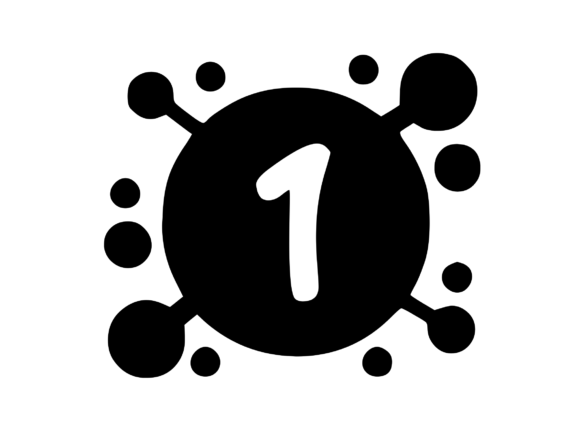
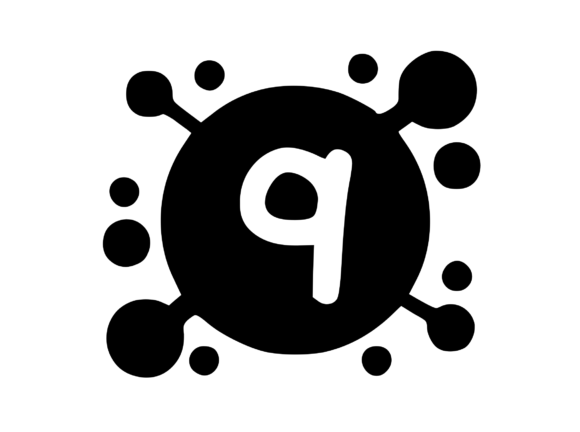
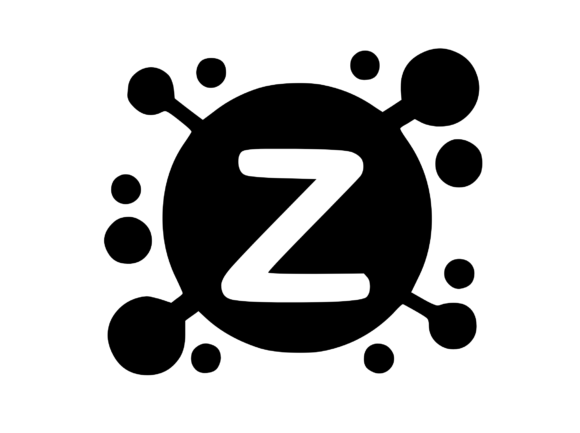
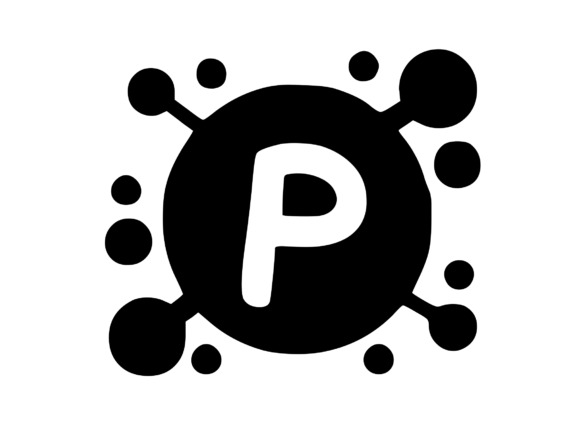
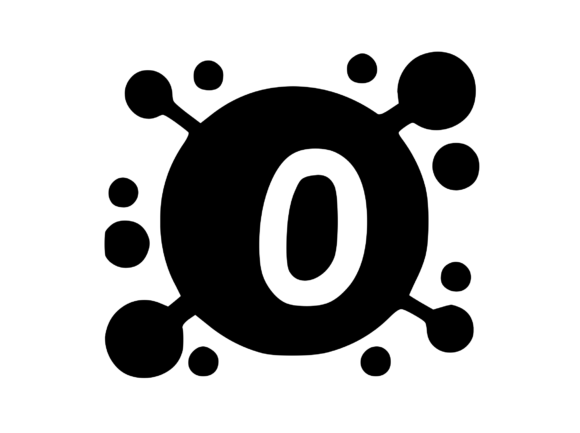
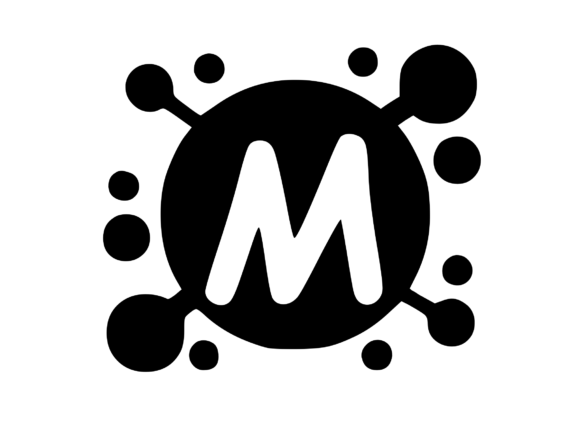
The Viral Bacterial Germ with Mono M design immediately communicates a playful, slightly cheeky mood. The germ character is stylized with rounded forms, spiky projections, and a cartoon personality that reads as friendly rather than threatening. The inclusion of the Mono M gives it a personalized or branded feel, making it suitable for monogram-style projects with a twist. The overall composition is balanced, with the germ and the letter working together without competing for attention. The detail level is moderate, meaning it has enough texture to look interesting but not so much that it becomes a headache for digitizing. For embroidery designers and digital product sellers, this is a strong candidate for commercial embroidery projects where you want to combine education, humor, and customization.
This design naturally fits into categories like Crafts and Graphics, but its real home is in custom apparel, embroidered patches, tote bags, and personalized gifts. It would also work well for baby embroidery if the recipient has a science-themed nursery, or for holiday embroidery if you want to subvert traditional motifs. The visual personality is bold enough to catch attention but not so loud that it overwhelms the item.
Real-Life Scenario: Testing the Design on a Custom Tote Bag
To evaluate how Viral Bacterial Germ with Mono M performs in real embroidery work, I decided to stitch it onto a medium-weight cotton tote bag. This is a common product for small shop merchandise and craft fair products, and it gives a good sense of how the design handles on a stable fabric. I used a satin stitch for the germ outline and a fill stitch for the body of the character, with the Mono M in a contrasting thread color. The stitch density felt appropriate; the fill areas were solid without being too stiff, and the satin edges stayed crisp. I also tested a running stitch for some of the smaller details, and those came out clean after a careful check.
The final tote bag looked professional and playful at the same time. When I showed it to a few customers and fellow makers, the reaction was consistent: people smiled and asked where they could buy one. This tells me the design has strong buyer engagement potential. The handmade presentation was polished, and the product value felt higher than the cost of materials. For an Etsy seller or creative entrepreneur, this design could easily become a bestseller for science-themed merchandise, teacher gifts, or quirky personalized items.
Embroidery Performance: What Works and What Needs Attention
In my testing, Viral Bacterial Germ with Mono M performed well on stable fabrics like cotton canvas, denim, and twill. The design held its shape without puckering, and the thread colors remained distinct. I recommend using a medium-weight stabilizer and ensuring your hoop size is large enough to contain the entire composition without distortion. The design includes a mix of satin stitch and fill stitch areas, so a quality digitizing job is essential. If you are using an applique design approach, this design could also work with fabric pieces for the germ body, but I tested it as a standard machine embroidery design and was satisfied.
Where this design truly shines is on custom apparel like sweatshirts and t-shirts, as well as embroidered patches for caps or aprons. It also works well on pillow covers, tea towels, and blankets. For baby embroidery, the Mono M could be interpreted as a monogram, making it a clever personalized gift for a science-loving family. However, I would caution against using it on very textured fabrics like fleece or thick knits without extra stabilizer, as the detail in the germ spikes could get lost.
Where to Use This Design Carefully
Not every fabric or product is ideal for Viral Bacterial Germ with Mono M. Based on my testing, here are situations where you should proceed with caution:
- Small hoop sizes: If your hoop is under 4x4 inches, the detail in the germ and the Mono M may become cramped. Consider resizing carefully or testing on scrap fabric first.
- Thin or stretchy fabric: Lightweight t-shirts or stretchy knits can cause puckering around the fill stitch areas. Use a cut-away stabilizer and reduce stitch density if possible.
- Dark fabric backgrounds: The design uses several thread colors, and on dark fabrics you may need to add a white or light underlay to keep the colors vibrant. A black and white mockup can help you preview contrast.
- Curved surfaces like caps or sleeves: The design has a defined horizontal and vertical axis, so it may distort on highly curved surfaces. Test on a curved hoop size before committing.
- Products needing frequent washing: Personalized gifts like baby clothes or kitchen towels will see multiple washes. The satin stitch edges held up in my tests, but always wash-test a sample to confirm.
Visual Appeal, Product Value, and Customer Trust
The Viral Bacterial Germ with Mono M design has a strong visual appeal that can elevate a simple product into a conversation piece. Whether you are making handmade products for a craft business or designing printable mockups for digital product sellers, this design carries a distinct personality. It signals that the maker has a sense of humor and is willing to step outside traditional motifs. This builds customer trust and brand consistency, especially if your shop targets educators, medical professionals, or science enthusiasts.
For Etsy sellers and small shop owners, this design can be used for holiday embroidery (think "Germs for Christmas"), wedding gifts for microbiologists, or boutique branding for quirky apparel lines. Its recognition factor is high, meaning customers will remember your product. The professionalism of the embroidery, combined with the playful subject, creates a strong buyer engagement that leads to reviews and repeat purchases.
Practical Embroidery Designer Notes
Before you stitch Viral Bacterial Germ with Mono M on a final product, I recommend a few steps that every experienced embroidery designer should follow:
- Test the design on scrap fabric first. Use the same fabric type you plan for the final embroidery project. Check for stitch density issues, thread breaks, or distortion.
- Check thread color contrast. The design uses multiple thread colors. Make sure they stand out against the fabric background. A black and white mockup can help you see value differences.
- Review the hoop size. Confirm that your hoop can accommodate the full design without crowding. If you are stitching on a cap or hat, use a curved hoop system if available.
- Inspect small details. The germ spikes and the Mono M may have fine elements. If they are too small for your machine, consider enlarging the design slightly, but stay within your hoop limits.
- Use proper stabilizer. For most fabrics, a medium-weight cut-away stabilizer works well. For stretchy or lightweight fabrics, consider a tear-away or water-soluble stabilizer.
- Confirm licensing. Before selling finished products or digital product files, check the license terms for commercial embroidery use. Some design assets have restrictions on resale of digital files or mass production.
- Compare light and dark fabric backgrounds. Stitch a sample on both a light and dark fabric to see which looks better. This also helps you decide whether to offer the design in different colorways.
Who Should Use This Design?
This machine embroidery design is ideal for embroidery designers, small business owners, crafters, and Etsy sellers who want a distinctive, conversation-starting product. It works well for apparel decorators targeting the education, healthcare, or science-enthusiast market. Digital product sellers can use it as a printable mockup or as a design asset for commercial embroidery projects. Hobbyists and makers will enjoy the creative challenge of stitching a character that blends education with personality.
If you sell handmade products at craft fairs or on Etsy, this design can become a signature item. It has the giftability factor that makes people buy for others, and the personalized gift angle with the Mono M adds a custom touch. For baby embroidery or holiday embroidery, it offers a fresh alternative to traditional motifs.
Final Thoughts on Viral Bacterial Germ with Mono M
After testing Viral Bacterial Germ with Mono M on a tote bag and a sweatshirt, I can say this is a well-constructed embroidery file that delivers on its promise. It is playful, detailed without being fussy, and has strong commercial potential. The Mono M adds a personalized or branded element that increases its value for custom apparel and personalized gifts. If you are an Etsy seller, small shop owner, or creative entrepreneur looking for a design that stands out, this is a solid choice. Just remember to test your fabric, check your stitch density, and verify licensing before you start production. With the right preparation, this design will earn a spot in your product lineup.