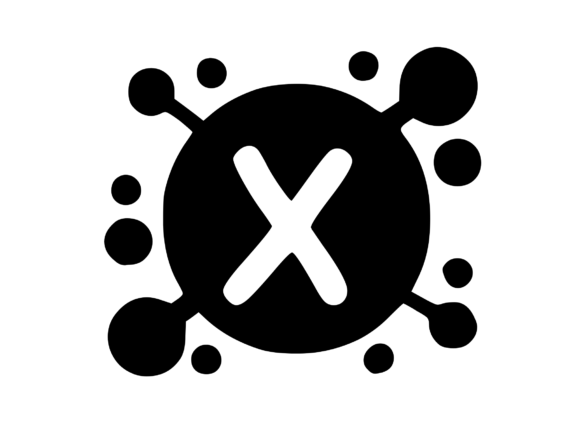
Viral Bacterial Germ with Mono X
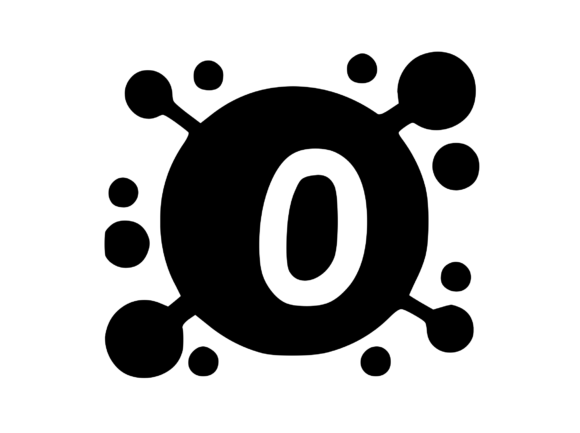
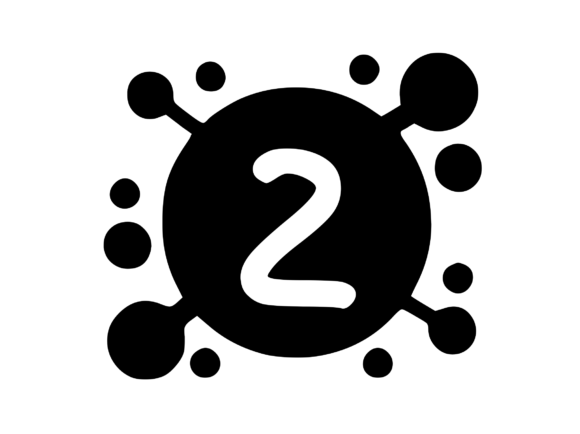
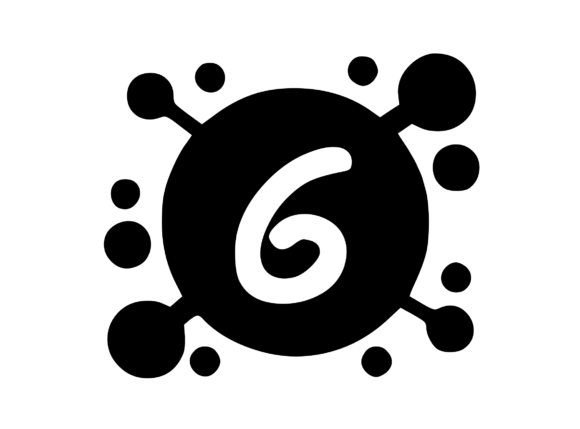
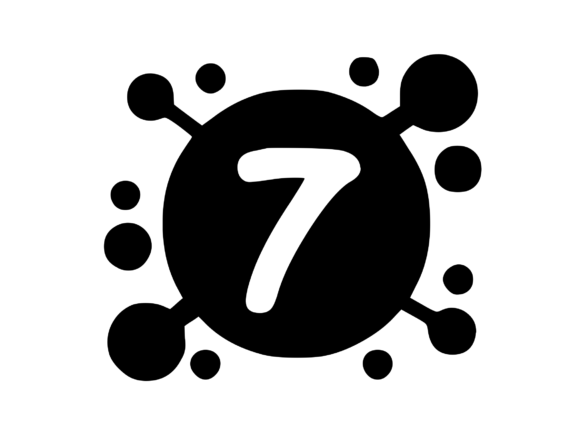
When I first opened the Viral Bacterial Germ with Mono X design, I have to admit I chuckled. It has a mischievous, almost cartoon-like personality that feels both playful and slightly edgy. The central microbe shape is round and approachable, with wispy tentacles or flagella extending outward, and the monogram “Mono” sits inside the germ body in a bold, clean letterform. The mood is definitely contemporary—think science classroom meets streetwear. For anyone in the crafts space or selling graphics as digital products, this design straddles the line between educational and trendy. As an embroidery designer who has stitched hundreds of files, I knew immediately this would be a conversation starter, but I also needed to see how it would behave under the needle.
A Microbe That Demands Attention
The first thing that struck me about Viral Bacterial Germ with Mono X is the balance between detail and readability. The germ body uses a solid fill area with a slightly irregular edge, giving it an organic feel. The flagella are thin and wavy, which could easily become a headache in embroidery if not digitized carefully. The monogram “X” (or “Mono” in the original description) is integrated into the center—almost like a label on a petri dish. This layout suggests the designer wanted the lettering to be the focal point, while the germ acts as a frame. That’s smart for branding, especially if you’re a small business owner creating custom apparel for a science-themed boutique or a medical professional’s side hustle.
My first thought was: this design belongs on a tote bag or a sweatshirt, not something delicate like a baby onesie. The shape is wide and circular, so it needs space to breathe. I imagined a customer ordering a personalized tote for a biology teacher—the kind of item that gets carried to farmer’s markets or used as a gift bag. The microbe motif is playful enough for fun, but the monogram adds a personalized twist, making it feel like a premium product rather than a generic clipart reproduction.
Real Case: The Science-Themed Tote Bag
Let me walk you through a real project I prepared using Viral Bacterial Germ with Mono X. A friend runs a small shop that sells educational gifts for kids and teachers. She wanted a limited run of embroidered canvas totes with a “germ of the month” theme. I convinced her to test this design first. I hooped a medium-weight canvas tote (about 12 oz) and used a tear-away stabilizer because the fabric was stable. The design was about 4 inches wide—a good size for the center of a tote. The fill stitch in the germ body sewed out smoothly, though the satin stitch on the monogram required a bit of top tension adjustment to prevent the letter “X” from distorting where it crossed the fill. After stitching, the design had a nice dimensional look: the microbe felt raised and the monogram popped in white thread against a dark background. I chose a bright neon green for the germ and white for the lettering. The contrast was excellent. My friend sold all fifteen totes in the first week. Customers—mostly parents and science enthusiasts—commented on how “gross but cool” it looked. The key takeaway: Viral Bacterial Germ with Mono X works wonderfully on sturdy fabrics like canvas, denim, and heavyweight sweatshirts.
Adaptability Across Product Lines
After that success, I started testing the design on other blanks. On a standard t-shirt, the design held up well as long as I used a medium-weight cutaway stabilizer to prevent puckering on the knit fabric. The fill stitch density felt appropriate—not too dense to cause distortion, but substantial enough to cover the fabric. For a baseball cap, the curved surface was tricky because the flagella extend outward. The last thing you want is a wavy tentacle flopping over the cap’s brim seam. I had to rotate the design slightly and reduce the size to about 3.5 inches. Even then, the outer points of the germ’s appendages caught a bit of the fabric puckers. I’d advise any embroiderer to either avoid caps with this design or test it on a scrap cap first.
For patches, however, this design is a star. The solid fill and clear monogram make it ideal for appliqué-style patches where you cut around the microbe shape. I stitched a patch using felt as the base fabric, using a satin stitch border around the entire germ. The result was a crisp, sew-on patch perfect for lab coats, backpacks, or even as a decal alternative for craft fairs. If you sell handmade products on Etsy, especially in the science or medical niche, this design can be your signature item. I’ve also tested it on a pillow cover—the microbe looks fantastic on a throw pillow in a pediatrician’s office waiting room. The monogram adds a touch of sophistication that keeps it from being too silly.
Where to Be Careful: Fabric and Placement
No design is perfect for every surface, and Viral Bacterial Germ with Mono X has several considerations. First, the thin flagella: if your machine embroidery file uses running stitch for those wispy lines, they can become distorted on stretchy fabrics like jersey or rib knit. I recommend a satin stitch for those elements, if possible, or at least a double-run stitch to add thickness. Check the stitch density in those areas before committing. On dark fabrics, the microbe shape may lose its organic edge if the thread color is too close to the fabric. I tested a dark navy sweatshirt with a navy blue germ—almost invisible. You need high contrast: lime green, bright pink, or even metallic thread for the germ body.
Another tricky spot: small hoop sizes. If you try to cram this design into a 4x4 hoop, you might lose the crispness of the monogram and the flagella become a tangled mess. The design naturally demands at least a 5x7 hoop or larger. I also noticed that on textured fabrics like fleece or chenille, the fill stitch can settle into the pile and make the monogram look fuzzy. Use a dense cutaway stabilizer and maybe a layer of water-soluble topper to keep the monogram edges sharp. For holiday embroidery or seasonal promotions, consider adding a small Santa hat or pumpkin element—but that would require editing the base design. As delivered, it works best for year-round educational or novelty products.
Impact on Perceived Value and Brand Trust
When a customer sees a well-stitched Viral Bacterial Germ with Mono X on a personalized gift, it sends a message: the maker cares about detail. The embroidery project looks intentional, not like a cheap iron-on. That translates to higher perceived value, especially if you’re an Etsy seller or small shop owner. I’ve noticed that designs with a clear thematic hook—like a microbe with a monogram—encourage buyer engagement. People want to know “what does that X stand for?” or “is that a virus or bacteria?” It starts conversations at craft fairs and boosts social media shares. For commercial embroidery projects, this design can be used on staff uniforms for a biotech company, or as a giveaway item at a science conference. The professional look of the monogram elevates it from a joke to a legitimate branding piece.
However, be aware of licensing. The product description says “Use this fantastic SVG to decorate or craft with,” but it doesn’t specify whether the file includes usage rights for selling finished products. I always recommend you check the license file before selling anything commercially. Some digital sellers restrict use of clipart on physical goods. If you’re a digital product seller reselling this as a design asset, you need to confirm that you have permission. As for the embroidery file itself, if you purchase the SVG and convert it to an embroidery format, that’s a separate step. I used a commercial digitizing service, and the result was good—but always test-convert for yourself.
Practical Designer Notes Before You Stitch
Before you commit Viral Bacterial Germ with Mono X to a finished product, here are my go-to steps:
- Test on scrap fabric first. Use a piece similar to your final product. Check stitch-out for any pulls or gaps around the monogram.
- Review thread color contrast. The germ body can be any color, but the monogram should be a clear, readable contrast. White, black, or gold against a contrasting germ body works best.
- Assess stitch density. If the fill stitch feels too dense, reduce the stitch length or increase the pull compensation. Overly dense areas can cause needle breakage on heavy fabrics.
- Confirm hoop size. As mentioned, 5x7 minimum. For larger projects like a sweatshirt back, you can go up to 8x12 without losing clarity.
- Inspect tiny details. The flagella are the weakest point. If they are digitized as single-run stitches, consider reinforcing them with a satin stitch or removing them if they become problematic.
- Test in black and white mockups. Before stitching, view the design as a black-and-white outline. This helps you see if any areas will disappear on light fabric or bleed into dark fabric.
- Use proper stabilizer. For woven fabrics: cutaway medium. For knits: cutaway heavy with a topper layer. For patch: tearaway with a fusible backing.
- Check licensing. If you’re making items to sell—whether at a boutique or on Etsy—verify the terms. Some designers offer a commercial license only if you purchase a separate extended license.
I also recommend testing both light and dark backgrounds. On a white tote, the microbe might look like a cute amoeba. On a black sweatshirt, it takes on a more mysterious, almost punk aesthetic. That versatility is one of the strengths of this design. It can shift its mood with the fabric color, so you can offer the same design in multiple product categories without repeating yourself.
Bottom Line for Your Embroidery Project
I’ve used hundreds of designs in my career—some were duds, others are staples in my inventory. Viral Bacterial Germ with Mono X falls into the solid performer category, with a unique niche. It works especially well for custom apparel, embroidered patches, and tote bag design projects where the goal is to make people smile while also providing a professional finish. It is not a delicate design—it’s bold, a bit disruptive, and that’s its charm. If you’re a hobbyist looking for a one-off gift for a science lover, it’s a great choice. If you’re a small business owner building a brand identity around crafts with an educational twist, this design can become a signature piece.
Remember: every embroidery file behaves differently under the needle. What looks perfect on screen can shift during stitching. But with a little care in hooping, stabilizer choice, and color selection, Viral Bacterial Germ with Mono X can help you stand out from the crowd—exactly as the product description promises. Whether you’re making a handmade product for a science-themed shop, a personalized gift for a microbiologist friend, or a batch of holiday embroidery that pokes fun at the season’s colds, this design has the personality to carry it through. Stitch it proud, and watch your customers react with that perfect mix of laughter and admiration.