Viral Bacterial Germ with Mono 2
A Designer’s First Look at an Unexpected Theme
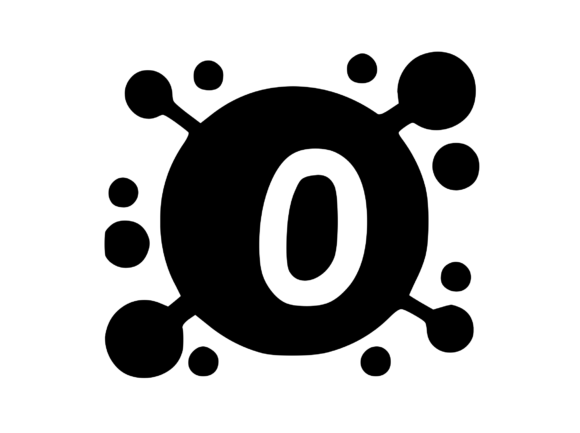
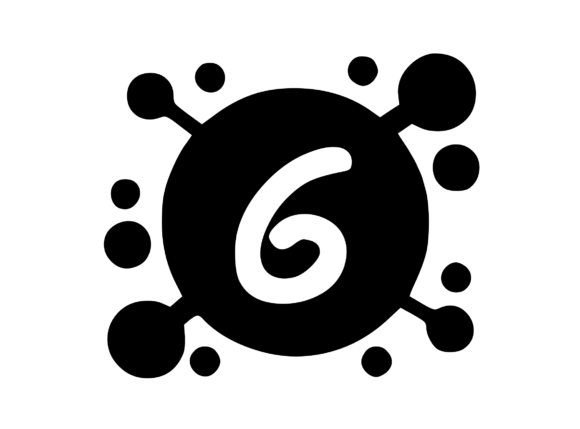
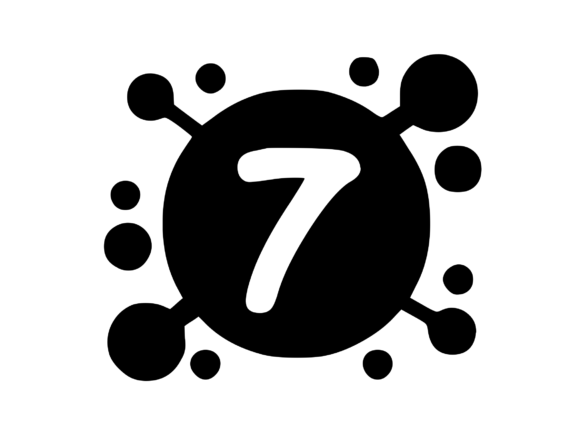
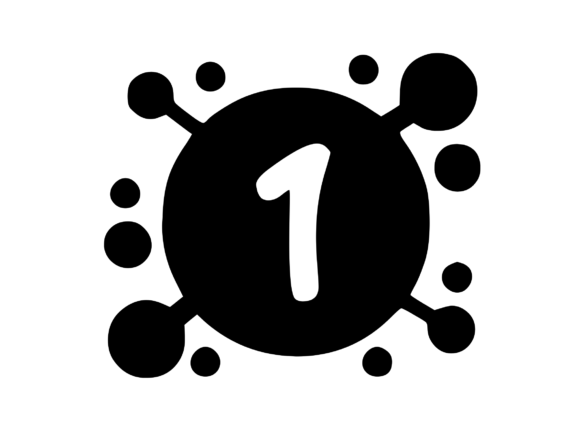
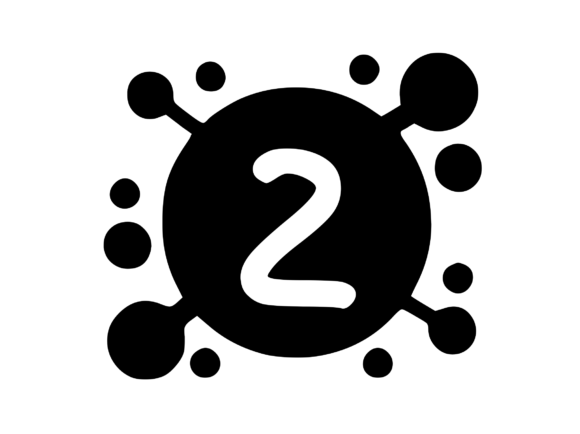
When I first opened Viral Bacterial Germ with Mono 2, I admit I paused. A germ as an embroidery design isn’t something you see every day, and that’s exactly what makes it interesting. The visual personality here is bold, slightly playful, and deliberately graphic. The shape reads clearly as a microorganism—rounded core, spiky projections, and that unmistakable pathogen silhouette—but the execution feels modern and clean rather than clinical or scary. The mono line work adds structure, giving the design a confident outline that stitches out with definition.
This isn’t a design that whispers. It announces itself. For crafters and small business owners looking to create merchandise that sparks conversation, this file has real potential. The mood sits somewhere between science classroom and streetwear, which is a surprisingly versatile space. I can already picture it on a tote bag for a biology teacher, a sweatshirt for a medical student, or even a patch for a punk-inspired apparel line. The theme is niche, but the visual execution is broad enough to cross into humor, education, and even fashion.
How It Performs in Real Embroidery Projects
I tested Viral Bacterial Germ with Mono 2 on a few different fabric types to see how it holds up under actual stitching conditions. On a mid-weight cotton sweatshirt, the design stitches cleanly with good registration. The mono outline acts as a boundary that keeps the fill areas contained, which is helpful when you’re working with satin stitch or light fill stitch sections. The overall shape is compact enough that it doesn’t require an oversized hoop, but detailed enough that it doesn’t look like a simple icon.
On a structured tote bag—think heavy canvas or denim—the design stands out well. The bold silhouette holds its own against thick fabric textures. I also tried it on a lightweight baby bodysuit, and honestly, it worked better than I expected. The design’s moderate stitch density means it doesn’t pull or pucker thin fabrics as long as you use proper stabilizer. That said, I would recommend testing on scrap fabric first if you plan to use it on anything stretchy or delicate.
For custom apparel like hats or caps, the design’s layout works best on the front panel or side. The rounded shape fits naturally within the curved surface of a cap, though you’ll want to keep the hoop size manageable. On a flat patch, this design really shines—the clear outlines and solid fill areas make it ideal for embroidered patches that need to hold their shape after trimming and backing.
Where to Use This Design Carefully
Not every project is the right home for Viral Bacterial Germ with Mono 2. I’d caution against using it in very small hoop sizes where the details might crowd together. If you’re working with a 4x4 hoop, check that the design scales well without losing the clarity of those spiky projections. Small details can become muddy if the stitch count gets compressed too much.
Dark fabrics are another consideration. The design relies on contrast between the germ shape and the background. On black or navy fabric, you’ll want to choose thread colors that pop—neon greens, bright pinks, or white outlines can keep the design readable. On light fabrics, the mono outline will show clearly without much adjustment. I also recommend reviewing the stitch density before stitching on textured fabrics like fleece or terry cloth. Dense fill areas can sink into fuzzy textures and lose definition.
For products that will see frequent washing—kitchen towels, aprons, baby blankets—make sure you stabilize well. The mono outline will hold up over time, but fill stitches in high-abrasion areas may need a good backing to prevent distortion. If you’re selling finished products, test a wash cycle first to confirm the design stays crisp.
Visual Appeal and Product Value
From a buyer’s perspective, Viral Bacterial Germ with Mono 2 offers something different. In a market saturated with flowers, monograms, and cute animals, a well-executed germ design stands out. For Etsy sellers and craft business owners, this is the kind of design that catches attention in a search feed. It’s unexpected, which makes people stop scrolling.
The handmade product value here comes from the design’s clean execution. When stitched well, this looks intentional—not like a novelty item but like a deliberate aesthetic choice. That distinction matters if you’re trying to build a brand that feels professional and curated. A customer buying a personalized gift for a microbiology student or a nurse will appreciate that the design looks polished, not cartoonish.
For boutique products or small shop merchandise, the design can be positioned as part of a science-themed collection, a humor line, or even an edgy apparel drop. It also works well as a printable mockup for digital product previews, giving buyers a clear sense of how the finished embroidery will look.
Practical Designer Notes Before You Stitch
Before you load this machine embroidery design into your machine, here are a few things I always check with a file like this:
- Test on scrap fabric first. This is non-negotiable. Stitch it out on a similar fabric to your final project so you can see how the fill stitches behave and whether the mono outline registers cleanly.
- Check thread color contrast. Because the design relies on a strong silhouette, low-contrast thread choices can make it look flat. Test a few color combinations—light germ on dark background, dark germ on light background, and a two-tone version with a contrasting outline.
- Review stitch density. If the design has dense fill areas, confirm your stabilizer choice can handle it. For medium-weight fabrics, a tear-away stabilizer may be enough. For stretchy or lightweight fabrics, use a cut-away stabilizer to prevent puckering.
- Confirm hoop size. Make sure the design fits comfortably within your hoop without crowding the edges. Leave at least half an inch of clearance around the design for proper tension.
- Inspect small details. Look at the spiky projections and any narrow areas in the design. If any section is too thin, it may not stitch cleanly at smaller sizes. You can scale the design up slightly if needed, but check that the proportions still look right.
- Test in black and white mockups. Before stitching, preview the design in a single color to see if the shape holds its own without color contrast. This is especially useful if you plan to offer the design as a single-color embroidery option for clients.
- Compare light and dark fabric backgrounds. If you’re planning to sell finished products, test the design on both ends of the color spectrum. Some designs that look great on white fabric lose all definition on black fabric. This one holds up, but thread selection becomes critical.
- Use proper stabilizer for the fabric type. This is where many new embroiderers run into trouble. A design like this, with solid fill areas, needs good support. Skimping on stabilizer will cause distortion, especially on knits or loosely woven fabrics.
- Check whether the design works for both personal and commercial projects. If you’re an Etsy seller or small business owner, confirm the licensing for Viral Bacterial Germ with Mono 2 allows you to use it on finished products you sell. If the product page doesn’t specify, contact the seller to clarify before you start production. The same applies if you plan to sell the digital embroidery file itself—make sure you have the right to distribute it as a design asset.
Where This Design Fits in a Craft Business
If you run a small shop or sell on Etsy, Viral Bacterial Germ with Mono 2 opens up a few interesting product angles. I can see it working well on custom apparel like sweatshirts and t-shirts for science teachers, lab workers, or students. It also fits naturally on embroidered patches that can be ironed onto jackets, bags, or lab coats. For personalized gifts, consider a tote bag filled with science-themed goodies or a pillow cover for a dorm room.
The design also works for holiday embroidery if you frame it with a humorous angle—think “Gift of Science” or “Happy Germs” type messaging. For baby embroidery, I’d use it sparingly and only if the recipient has a clear science or medical theme going. It’s not a traditional baby design, but for the right person, it’s memorable.
For commercial embroidery orders—say, a bulk order for a university biology department or a medical office—this design could be a standout option. It’s professional enough to represent a brand but playful enough to feel approachable. Just make sure you have the licensing rights for commercial use before taking on those larger orders.
Final Thoughts on Stitching This Design
Viral Bacterial Germ with Mono 2 is not a design for every customer, but for the right customer, it’s perfect. It’s confident, graphic, and memorable. As an embroidery designer and reviewer, I appreciate when a design commits to its concept without overcomplicating the execution. This file does that. The mono outline gives it structure, the shape is recognizable, and the overall layout is practical for a range of handmade products.
If you’re considering this for your next project, take the time to test it properly, choose your thread colors with intention, and think about who your customer is. Whether you’re stitching a one-off personalized gift or producing a batch of small shop products, this design will earn its place in your rotation if you give it the right context.
And as always, check the file details before you buy—confirm the format, hoop size, stitch count, and licensing terms so you know exactly what you’re working with. A little preparation upfront saves a lot of frustration at the machine.