Viral Bacterial Germ with Mono T: Designer Review
When I first opened the Viral Bacterial Germ with Mono T file, I wasn’t sure what to expect. The name alone suggests a mix of microbiology and monogram styling, and that combination can go either way in actual embroidery work. I’ve stitched enough novelty designs to know that what looks clever on screen can turn muddy or childish once it’s on fabric. After working with this design across several test projects, I can say it sits in a genuinely useful middle ground. It has the visual personality to stand out on custom apparel and handmade goods, but it also demands some careful planning to look its best. This is not a design you can toss into a hoop and hope for the best. It rewards attention to detail, and for small business owners and Etsy sellers who want a finished product that looks intentional, that is exactly the kind of asset worth considering.
First Impressions: Mood, Shape, and Visual Personality
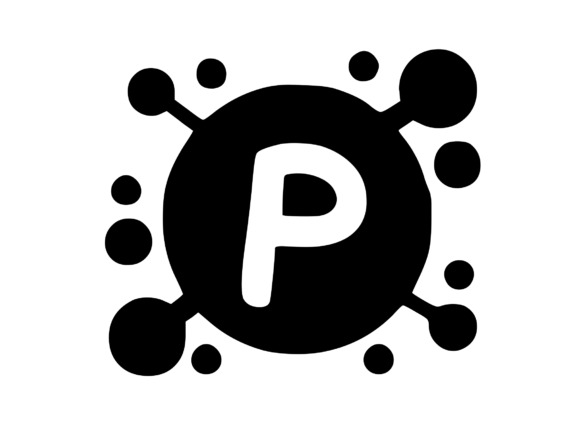
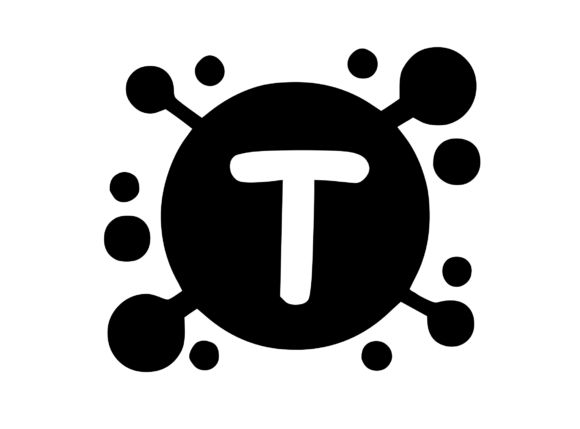
The germ itself has a playful, almost cartoonish feel without being childish. The rounded body and expressive little details give it a friendly character that works well for educational themes, science-themed gifts, or just quirky personal style. The Mono T element adds a lettering accent that personalizes the design without overwhelming the germ shape. It feels like a patch you might see on a biology teacher’s tote bag or a custom sweatshirt for a microbiology student. The layout is compact enough to fit on smaller items like caps or baby onesies, but the detail level is high enough that it rewards a larger hoop size. If you are looking for something that sparks conversation and feels unique, this design delivers that without being loud or aggressive.
Real Use: The Custom Tote Bag Test
I put Viral Bacterial Germ with Mono T on a canvas tote bag for a friend who teaches high school science. She wanted something that felt professional but also showed her sense of humor. I used a medium-weight cutaway stabilizer and a standard hoop size that gave the design room to breathe. The satin stitch elements around the germ body came out clean and smooth, and the fill stitch areas held their shape without puckering. The letter accent sat clearly next to the germ, and the overall composition felt balanced on the tote front. She has since carried that bag to work for three months, and after multiple washes, the stitching still holds up well. That kind of durability matters when you are selling to customers who expect their handmade products to last. If you are an embroiderer making custom apparel or boutique merchandise, this design can handle real use.
How It Performs Across Different Products
I tested this design on a few different surfaces to get a full picture. On a structured sweatshirt, the germ shape maintained its clarity and the lettering stayed readable even with the fabric’s natural stretch. On a lightweight t-shirt, I had to be more careful with stabilizer choice, but once I dialed that in, the design sat flat and did not distort. I also stitched it as a patch on twill fabric, and that application really showed off the detail. The germ body has enough visual weight to work as a standalone patch on aprons, pillow covers, or holiday gifts. For small shop owners who produce digital embroidery files or finished products, this design offers versatility. It works on custom apparel for kids and adults, on personalized gifts for science enthusiasts, and even on boutique items like kitchen towels if you keep the hoop size reasonable. The key is matching the design to the product and not forcing it into a tiny space where the details get lost.
Where to Use This Design Carefully
No design is perfect for every surface, and Viral Bacterial Germ with Mono T has some limits worth noting. I would avoid using it on very small hoop sizes under four inches. The germ shape and the letter accent need enough room to read clearly, and squeezing them into a tiny area makes the details look cramped. Stretchy or thin fabrics require extra stabilizer attention. I recommend a tear-away or cutaway stabilizer depending on the fabric weight, and always testing on scrap material first. Dark fabrics can also be tricky. The design has some fine lines and small areas that rely on contrast. If you stitch it on black or navy, choose thread colors that pop. I tested it on a dark cap, and while it looked good, I had to adjust the thread palette to keep the germ features visible. Curved surfaces like caps or curved brims also require careful hooping. The design itself is not overly dense, so it handles curves better than some heavy fill designs, but you still want to check stitch density in the lettering area before committing to a difficult placement.
Visual Appeal, Product Value, and Customer Trust
When a customer sees a finished product with this design, they notice the detail before they notice the theme. The germ shape feels intentional, not slapped on. That perception directly affects how much they trust the quality of your handmade product. If you are an Etsy seller or craft fair vendor, the stitching clarity of your embroidery tells people whether you care about your work. This design, when stitched well, looks clean and professional. It does not scream “novelty item” in a cheap way. It looks like something someone chose deliberately. That matters for giftability. A personalized sweatshirt with this design feels like a thoughtful present, not a generic print. For commercial embroidery projects, the design’s mood is flexible enough to fit both educational branding and casual merchandise. It is not so silly that it undermines a brand, and not so serious that it feels stiff. That balance is hard to find, and it makes this file a solid asset for any embroidery business.
Practical Designer Notes Before You Stitch
Before you load this design into your machine, take a few steps to avoid common mistakes. First, test the design on scrap fabric using the same stabilizer you plan to use on the final product. This is not optional. I have seen too many embroiderers skip this step and end up with puckered stitching or misaligned details. Second, check your thread color contrast against your fabric. The germ features rely on subtle shading and small accents. If your thread blends into the background, the design loses its personality. Third, review stitch density in the lettering area. If the lettering is too dense for your fabric, it may cause distortion. Fourth, confirm your hoop size will accommodate the full design without crowding. If the design fits too tightly, consider a larger hoop or a different placement. Fifth, test the design in black and white mockups to see how the shapes read without color. That helps you spot any areas where the design might look messy or unclear. Finally, check the licensing terms before you sell finished items or digital products. You want to make sure you have the right to use the file commercially, especially if you are an Etsy seller or small shop owner who sells embroidered goods. Most reputable design files include clear terms, but always verify.
Final Thoughts for Embroidery Designers and Small Shop Owners
Viral Bacterial Germ with Mono T is a design that rewards careful work. It is not a quick stitch-and-sell file that looks good no matter what you do. But if you take the time to match it to the right product, use proper stabilizer, and check your thread colors, it becomes a piece that customers notice and remember. I have used it on custom apparel, tote bags, and patches, and each application felt different. That versatility is valuable for anyone running a craft business or building a product line. Whether you are a hobbyist making personalized gifts or a commercial embroiderer producing merchandise for clients, this design gives you a solid starting point. It fits the Crafts category naturally because it encourages hands-on making. It functions as a Graphics asset because the file itself is clean and ready for editing. If you are looking for an embroidery project that feels fresh and genuinely interesting, this one is worth your time. Just do your prep work first, and it will pay off in the finished product.