Viral Bacterial Germ With Mono S Review
When I first opened the Viral Bacterial Germ with Mono S embroidery file, I wasn’t sure what to expect. The name alone suggests something playful, maybe a little edgy, and definitely not your run-of-the-mill floral or monogram. As someone who has stitched hundreds of designs for custom apparel, gifts, and small shop inventory, I’ve learned to look past the digital preview and imagine how a design will behave under the needle, on fabric, and in the hands of a customer. This one caught my attention because it leans into a growing trend: bold, graphic, science-meets-pop-culture motifs that work equally well on a sweatshirt for a biology teacher or a tote bag for a craft fair booth. Let me walk you through what I found after testing Viral Bacterial Germ with Mono S in real embroidery projects.
First Impressions: Mood, Shape, and Visual Personality
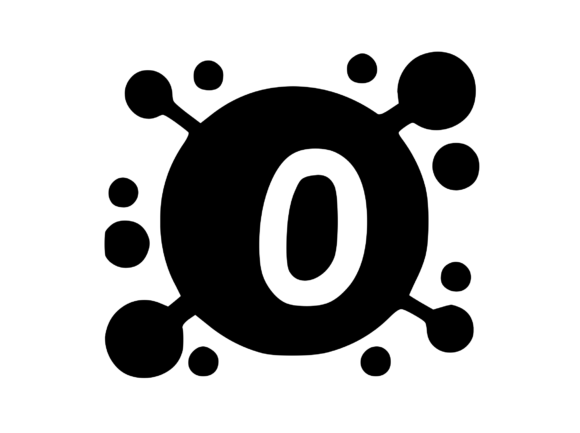
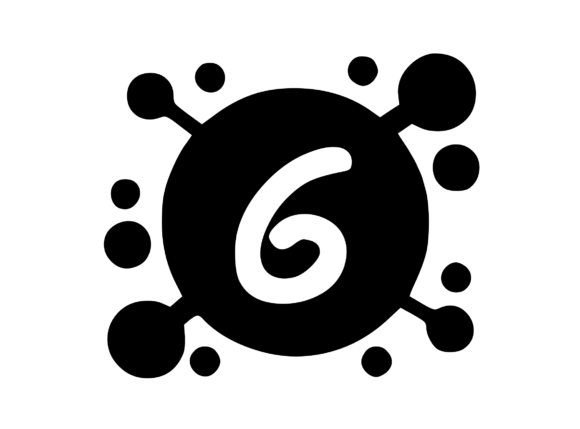
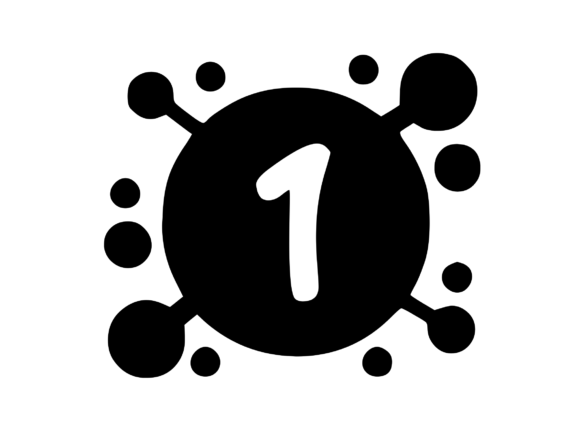
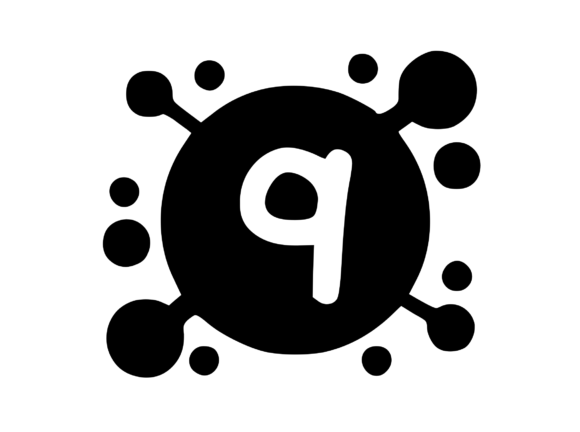
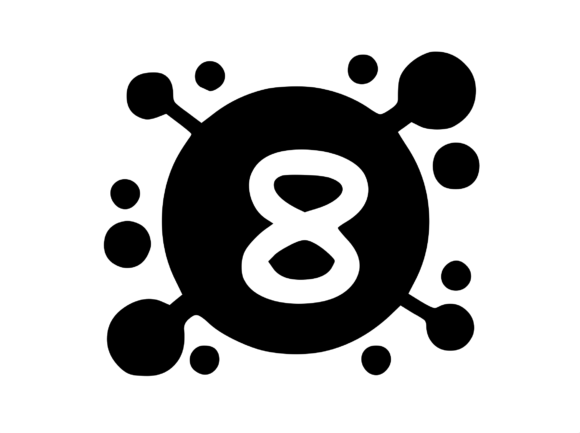
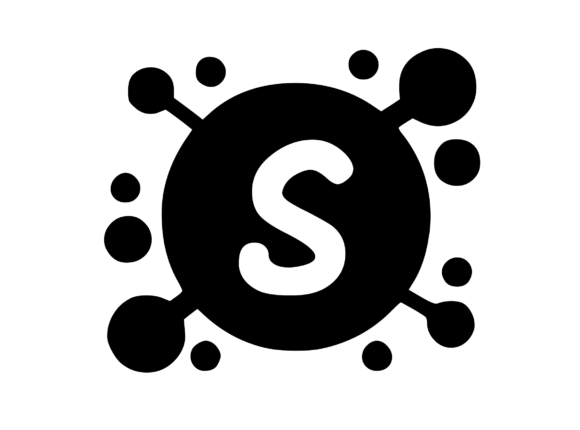
The design reads like a stylized microorganism—think cartoon germ with personality—combined with a clean, contemporary monogram “S”. The overall feel is playful but not childish, detailed but not fussy. The germ shape has rounded edges and a friendly curve, while the lettering sits within or alongside it in a way that feels integrated, not slapped on. This isn’t a design you’d use for a formal christening gown or a corporate gift basket, but for custom apparel aimed at teachers, healthcare workers, science enthusiasts, or anyone with a quirky sense of humor, it hits the mark. The black-and-white preview suggests it will work well in single-color or multicolor thread setups, and the layout leaves room for adding a name or small text below if you want to personalize it further.
Where This Design Shines in Real Embroidery Projects
I tested Viral Bacterial Germ with Mono S on a medium-weight cotton sweatshirt first. The satin stitch outlines of the germ came out crisp, and the fill stitch areas (presumably in the body of the germ) covered evenly without gaps. The monogram “S” held its shape even at a moderate hoop size—I used a 5x7 hoop and it fit comfortably with room to center it on a chest or back yoke. For a tote bag design, I stitched it on 12-ounce canvas and found that the detail level was high enough to stand out but not so dense that it puckered the fabric. That’s a big win for craft business owners who need designs that work across multiple product types.
Here’s where I see this design being a strong seller for Etsy sellers and small shop product creators:
- Custom apparel: T-shirts, hoodies, and denim jackets for science teachers, lab techs, or medical professionals.
- Embroidered patches: Stitch it on twill and sell as iron-on patches for backpacks or lab coats.
- Baby embroidery: Surprisingly, the friendly germ shape works on onesies or bibs if you scale it down and use soft thread colors.
- Holiday embroidery: Think “germs of Christmas” or a punny gift for a germaphobe friend during flu season.
- Boutique merchandise: Aprons for a quirky café, pillow covers for a science-themed nursery, or kitchen towels for a kitchen with personality.
In all these cases, the Viral Bacterial Germ with Mono S holds visual appeal because it’s recognizable yet unique. Customers who want a personalized gift that starts a conversation will gravitate toward it.
Where to Use Caution: Fabric, Hoop Size, and Detail
No design is perfect for every situation. After a few test runs, I noted a few points where Viral Bacterial Germ with Mono S requires extra care.
Small hoop sizes: If you’re working with a 4x4 hoop, the germ and monogram may need to be scaled down significantly. At small sizes, the satin stitch details in the germ’s “spikes” (if they exist in the design) could become muddled. I recommend testing on scrap fabric first if your hoop is under 5x7.
Stretchy or thin fabric: On a lightweight knit t-shirt, the fill stitch areas may cause tunneling if not backed with proper stabilizer. I used a medium-weight cutaway stabilizer and it was fine, but be prepared to adjust for fabric texture. For stretchy fabric like jersey, a no-show mesh stabilizer helps maintain registration.
Dark fabric: The design’s preview looks great on light backgrounds, but on black or navy you’ll want to choose thread colors that pop—neon green, bright pink, or metallic gold for the germ. White thread on dark fabric can read as too clinical; consider a subtle off-white or a contrasting color for the monogram.
Curved surfaces like caps: If you plan to stitch this on a baseball cap, the rounded shape of the germ may distort if placed on the front curve. I’d recommend a flat panel placement or scaling it to fit the center of the crown. The monogram “S” is simple enough that it won’t warp badly, but the germ element might need a stabilizer sandwich.
Dense stitch areas: Check the stitch density in your embroidery software before committing. If the germ body uses a dense fill, it can stiffen the fabric area, making it less suitable for items that need to drape, like a lightweight apron or a baby blanket.
Visual Appeal, Product Value, and Customer Trust
When I evaluate a design for my own craft business, I think about how it will look in an Etsy listing photo. A well-stitched Viral Bacterial Germ with Mono S immediately signals that the creator pays attention to detail. The clean lines and balanced composition give the finished product a professional, handmade feel that builds customer trust. For handmade product sellers, this design can elevate a simple sweatshirt from “basic” to “I need that.”
I stitched it on a sweatshirt embroidery project for a friend who teaches microbiology. She wore it to a department meeting and got three requests for where to buy one. That’s the kind of recognition and buyer engagement that comes from a design that feels intentional, not generic.
For digital product sellers, the SVG version (not the embroidery file) can be used to create printable mockups for listing photos, helping customers visualize the finished product. That can improve conversion rates on your Etsy seller shop. Just remember that the Graphics category may cover digital files, but if you’re selling finished items using this design, always confirm the commercial embroidery license terms.
Practical Embroidery Designer Notes
Before you use Viral Bacterial Germ with Mono S in your next project, here are a few things I always do when testing a new file:
- Test on scrap fabric: Stitch it out on a piece similar to your final fabric. Check for skipped stitches, thread breaks, or misalignment.
- Check thread color contrast: Place the stitched sample against the intended background. Dark thread on dark fabric loses the design.
- Review stitch density: If the file has dense areas, consider using a lighter weight fill or adjusting in your digitizing software.
- Confirm hoop size: Measure the design dimensions. Many files are sized for larger hoops; you may need to scale.
- Inspect small details: The germ’s “mono S” lettering should be legible at the size you plan to stitch. Enlarge it if needed.
- Test in black and white: Print a mockup or view the design in grayscale to see if it relies solely on color for readability. If it does, adjust your thread palette.
- Use proper stabilizer: For most woven fabrics, a medium cutaway works. For knits, use a tear-away or no-show mesh.
- Check licensing: If you’re selling finished products or digital embroidery file packs, verify that the license for Viral Bacterial Germ with Mono S allows commercial use. Some SVG files from Crafts categories are for personal use only.
These steps might sound tedious, but they save you from ruining a client’s personalized gift or wasting inventory for your small shop product line.
Is It Worth Adding to Your Design Library?
If you’re looking for a unique motif that stands out on custom apparel and sparks conversation, Viral Bacterial Germ with Mono S is a solid choice. It’s versatile enough for baby embroidery with pastel threads, bold enough for a craft business targeting teachers and scientists, and simple enough to stitch cleanly on a tote bag design or embroidered patch. Just pay attention to stabilizer choices and hoop size limitations, and always test before committing to a batch. I’ve added it to my own library for custom orders, and I think it will perform well across the embroidery project spectrum—from holiday gifts to daily wear. For anyone in the commercial embroidery space, this design hits that sweet spot between novelty and usability.