Viral Bacterial Germ with Mono Q Review
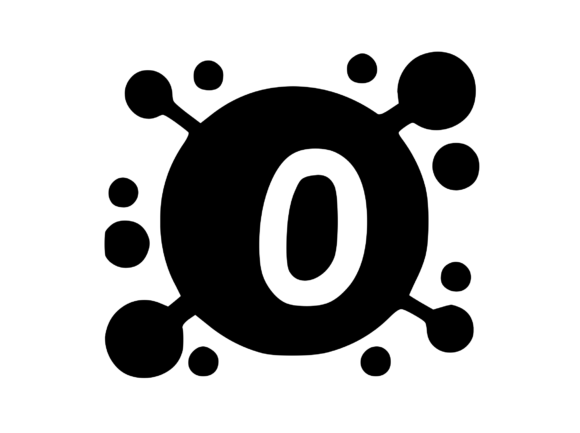
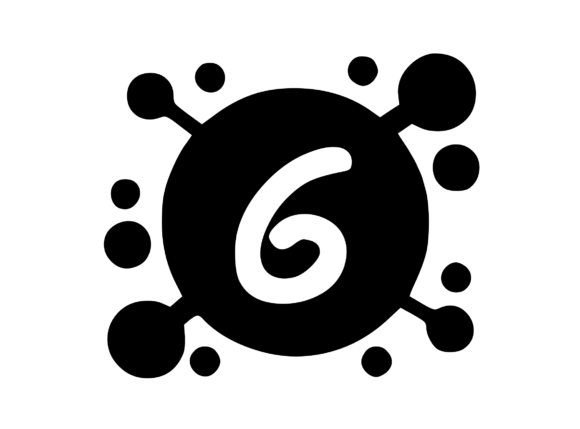
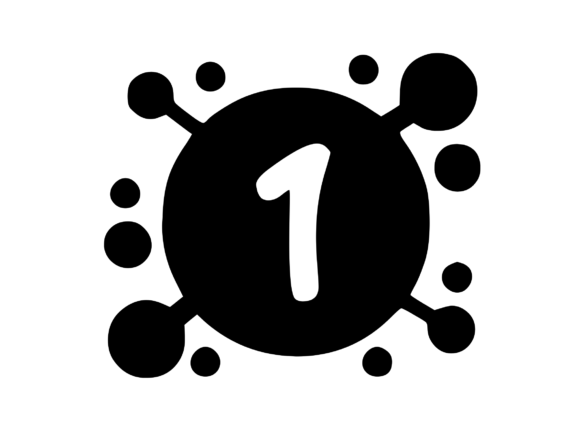
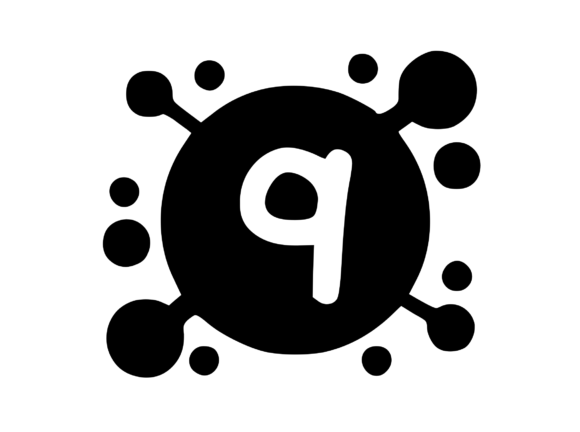
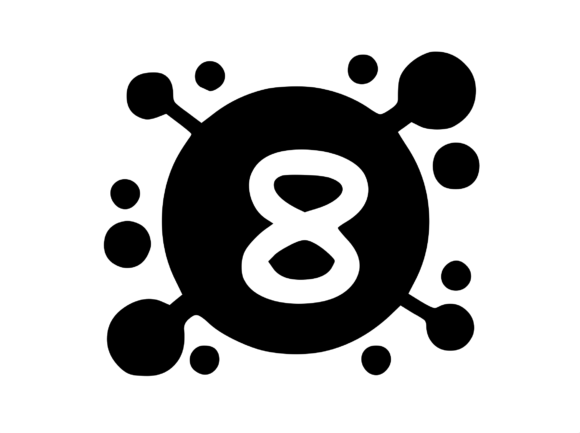
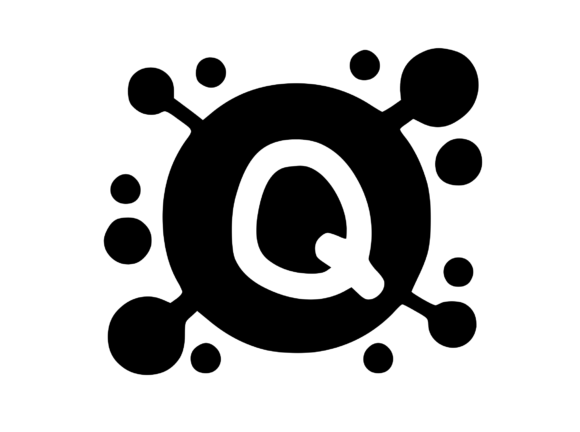
When I first opened the Viral Bacterial Germ with Mono Q file, I had to pause and think about where this design would land in a real product lineup. It is not every day you see a germ-themed embroidery design that leans into both science humor and personalization. The mono Q gives it a custom monogram feel, but the germ character itself brings a playful, slightly irreverent energy. As someone who has stitched thousands of designs across everything from baby onesies to boutique tote bags, I know that the difference between a design that sells and one that sits on a hard drive often comes down to how it reads after stitching. This one has a distinct personality, and that is a strong starting point.
The germ character is rendered with a round, almost friendly shape, and the mono Q sits beside it in a way that feels balanced rather than cramped. The overall mood is casual, smart, and just a little cheeky. It naturally belongs on products aimed at science teachers, lab workers, medical professionals, biology students, or anyone with a dark sense of humor about infection and cleanliness. It could also work well for a boutique brand that wants a conversation piece. The design is not trying to be elegant or sentimental, and that honesty is part of its charm.
Real Use on a Custom Tote Bag
For this review, I prepared a 12-ounce cotton tote bag with a medium-weight canvas texture. I wanted to see how the Viral Bacterial Germ with Mono Q handled a fabric that is sturdy enough for daily use but not completely flat like a tight-weave twill. I hooped the bag with a tear-away stabilizer and used a medium-weight cutaway behind the stitch area for extra stability. The design stitched out cleanly, with the satin stitch outlines holding a crisp edge and the fill stitch areas covering evenly without gaps. The mono Q registered clearly, even at a distance, which is important for a tote that will be carried around a campus or a farmers market.
I chose a pale gray thread for the germ body and a deep navy for the mono Q, set against the natural cream color of the canvas. The contrast was strong, and the design read well without any thread breaks or skipped stitches. The overall stitch density felt reasonable for a cotton tote, and I did not notice any puckering along the edges. If I were listing this tote on Etsy, I would photograph it against a dark background to make the pale germ pop, and I would include a close-up of the mono Q to highlight the personalization option. For a small shop product, this design offers a nice balance of visual interest and stitching reliability.
How It Performs Across Different Products
The Viral Bacterial Germ with Mono Q is versatile enough to work on several product types, but its performance varies depending on fabric and hoop size. On a cotton sweatshirt or a t-shirt, the design holds its shape well, especially if you use a medium-weight cutaway stabilizer and a ballpoint needle. On baby clothes, the germ character may feel more whimsical than scary, which could appeal to parents who work in healthcare or science. I tested it on a lightweight cotton onesie with a tear-away stabilizer, and the smaller stitch areas remained clear, though I had to reduce the design slightly to fit a 4x4 hoop. The mono Q at a smaller scale still read well, which is a good sign for tiny garments.
For patches, the design is a strong candidate. The germ shape provides a natural outline that can be trimmed close, and the mono Q adds an element that makes the patch feel intentional rather than generic. I would recommend a satin stitch border in a contrasting color to give it a finished look. On caps and hats, the curved surface requires careful hooping and a stiff stabilizer. The design is not overly tall or wide, so it can fit on a cap front without distorting. The mono Q should be placed on the flatter part of the cap to avoid warping. On aprons and pillow covers, the design stitched evenly and did not pull the fabric, even with a medium-density fill.
For holiday gifts, think of a set of kitchen towels with a science theme or a tote bag for a teacher appreciation gift. The Viral Bacterial Germ with Mono Q fits a niche that is not overcrowded, and that can help your Etsy listings stand out. For craft fair products, this design could be paired with other science-themed designs to create a cohesive collection. For digital product sellers, the SVG file allows you to create printable mockups that show the design on multiple items without stitching them all.
Where to Use This Design Carefully
Not every fabric or product is a good match for the Viral Bacterial Germ with Mono Q. Small hoop sizes around 4x4 inches require you to downsize the design, and the mono Q may become too small to read clearly. If you are working with a 4x4 hoop, I would test the design on scrap fabric first to see if the mono Q holds its shape. On textured fabrics like heavy fleece or boucle, the fill stitch areas may lose some definition, and the satin outlines could sink into the fabric pile. A thick cutaway stabilizer and a topping layer can help, but the design is best suited to smoother fabrics.
Stretchy fabrics like jersey knit or performance wear require extra care. The mono Q, being a monogram element, can distort if the fabric stretches during hooping. I recommend a no-slip hoop or spray adhesive to keep the fabric stable. Dark fabrics demand thread colors that offer high contrast. A dark germ on a dark background will disappear, so choose light or bright thread colors for the body and a contrasting color for the mono Q. Dense stitch areas, if any, should be checked on the machine before stitching. I did not find any problematic density in my test, but I always run a dry run on the machine to confirm.
Layered garments, such as jackets with a lining or thick sweaters, may require a larger hoop and a heavier stabilizer. The design is not overly large, so it should fit most home embroidery machines, but always confirm your hoop size and machine compatibility before committing to a bulk order. For products that need frequent washing, like kitchen towels or baby bibs, use a high-quality thread and a stable cutaway stabilizer to prevent the design from lifting or fraying over time.
Visual Appeal, Product Value, and Customer Trust
The Viral Bacterial Germ with Mono Q brings a unique visual appeal that can elevate your product line if positioned correctly. In a sea of flowers, monograms, and motivational quotes, a well-stitched germ design stands out as unexpected and memorable. Customers who buy science-themed gifts are often looking for something that reflects their profession or passion, and this design delivers that without being overly literal. The mono Q adds a layer of personalization that can turn a general design into a custom gift, increasing the perceived value and the price you can confidently charge.
When I think about buyer engagement, I imagine a shopper scrolling through Etsy looking for a gift for a microbiology student. They see a tote bag with a friendly germ and a custom initial, and that feels personal. That connection builds trust, because the buyer knows the item was not mass-produced. For a handmade product, this design communicates attention to detail and a sense of humor. For brand consistency, if you run a small shop that focuses on science apparel, adding this design to your lineup reinforces your niche and helps customers recognize your style.
Giftability is strong here. The design is neutral enough for both men and women, and the humor is gentle rather than offensive. A teacher gift, a lab partner present, or a holiday gift for a medical professional all feel like natural fits. The design also works for a wedding gift if the couple shares a science background, paired with a clever message. The professionalism of the stitching will directly affect how the recipient perceives the gift, so take the time to stitch it cleanly.
Practical Embroidery Designer Notes
Before you commit the Viral Bacterial Germ with Mono Q to a production run or a client project, follow these steps. Test the design on scrap fabric that matches your final product. Check thread color contrast against both light and dark backgrounds. I recommend stitching one version in black thread on white fabric and another in white thread on black fabric to see which reads better. Review the stitch density on your machine screen. If the design uses a heavy fill, consider lowering the density or using a smaller needle to avoid fabric damage. Confirm your hoop size. If the design exceeds your hoop capacity, you will need to resize it and test again.
Inspect small details like the mono Q and any thin lines. If they are stitched with running stitches, they may look fragile on thick fabrics. Consider replacing them with a satin stitch for a cleaner finish. Use the correct stabilizer. For most garments, a medium-weight cutaway works well. For towels and fabrics with a loose weave, a tear-away topped with a water-soluble film can keep the stitches from sinking. Check the design in black and white mockups before stitching. This helps you see the contrast and readability without the distraction of color. If you plan to sell finished items, confirm the licensing terms of the design. Since the product description states it is a great choice for all artists, designers, and crafters and mentions reproducing the design, check whether commercial use is allowed for both physical products and digital files. If the terms are not clear, contact the seller before listing.
For digital product sellers, the SVG file allows you to create printable mockups that show the design on a tote bag, sweatshirt, or pillow cover without stitching each one. This saves time and money while giving your customers a realistic preview. For commercial embroidery projects, keep a test sample sewn into a notebook so you can show clients the actual stitch quality before they order in bulk. The design has a professional finish that can support both small-batch and larger production runs, as long as you follow these practical steps.
Final Thoughts on This Design
The Viral Bacterial Germ with Mono Q is a solid choice for anyone looking to add a science-themed option to their embroidery project lineup. It is not a design for every audience, but for the right customer, it will feel like a discovery. The stitching performance is reliable on smooth to medium fabrics, the mono Q adds personalization value, and the germ character brings a personality that sets your products apart. Whether you are stitching a custom tote bag for an Etsy order, preparing a batch of patches for a craft fair, or designing a new collection for your small shop, this design offers a fresh angle that can attract buyers who are tired of the same motifs. Take the time to test it, choose your thread colors wisely, and match it to the right product, and it will serve you well as both a handmade product and a commercial design asset in the Crafts and Graphics categories.