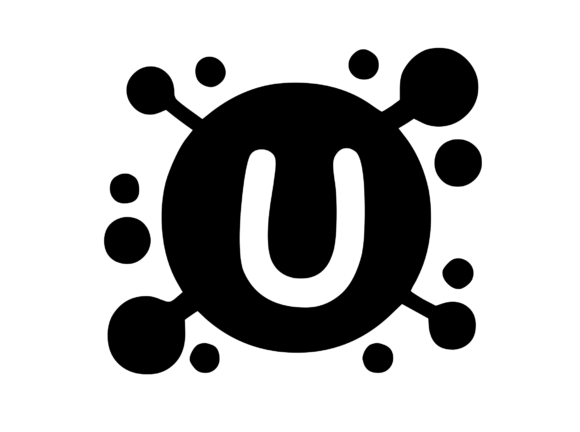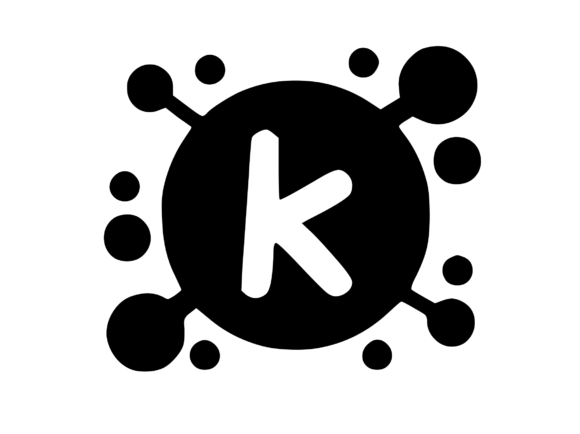
Viral Bacterial Germ with Mono K – A Designer's Take
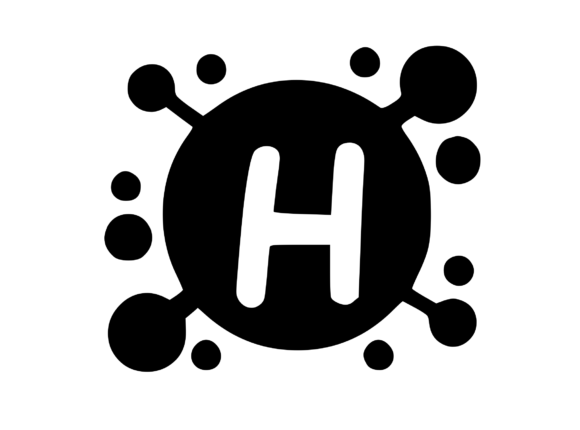
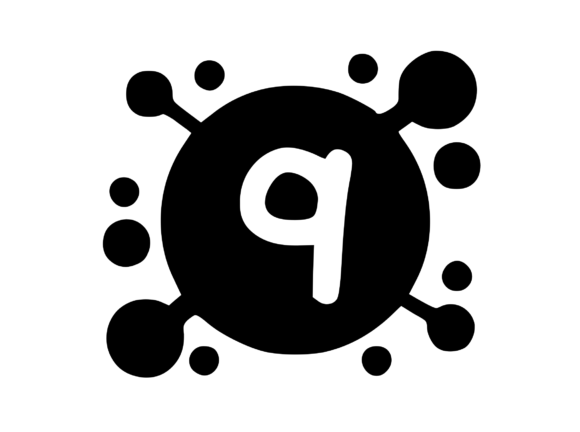
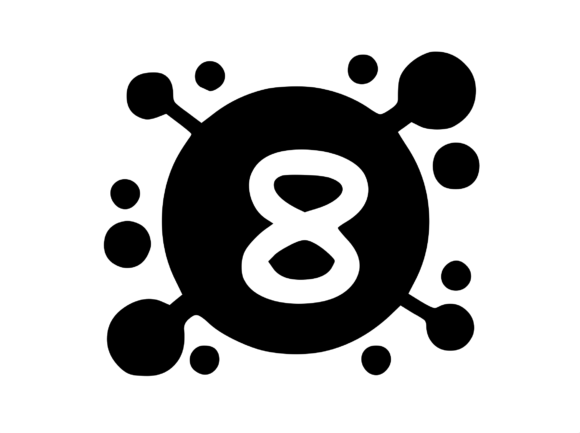
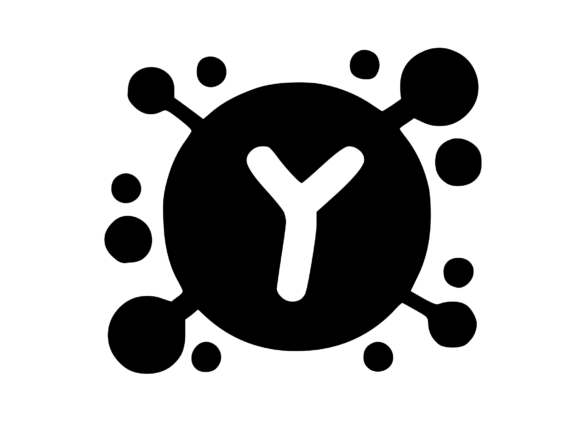
When I first opened Viral Bacterial Germ with Mono K, I have to admit I smiled. There is something immediately recognizable about this shape—the spiky little germ silhouette that feels both playful and slightly mischievous. As someone who has stitched thousands of embroidery designs over the years, I know that the best designs are the ones that tell a story without needing a caption. This one does exactly that. It is clean, bold, and carries a visual personality that lands somewhere between a science classroom and a novelty gift shop. That is a sweet spot for a lot of crafters and small business owners.
The design feels modern but not trend-chasing. The mono line treatment gives it a graphic quality that works well in embroidery because it reduces the risk of muddy detail. When I look at a design for the first time, I am thinking about how it will stitch out, how it will hold up on different fabrics, and whether customers will actually want to wear it or display it. Viral Bacterial Germ with Mono K passes that initial gut check. It is simple enough to stitch cleanly but distinctive enough to stand out on a finished product.
A Real Scenario: Stitching This on a Tote Bag
Let me walk you through a real project I have been planning. A client wants a short run of custom tote bags for a pop-up health and wellness event. She wants something that feels lighthearted—not preachy—and that will make people stop and look. We talked through several options, and when I showed her Viral Bacterial Germ with Mono K, she nodded immediately. The germ shape is topical without being heavy, and the mono style keeps it from feeling like a textbook illustration.
I am planning to stitch it on a medium-weight canvas tote in a natural color. The thread will be a bright Pantone-style coral or maybe a neon green to keep the germ theme playful. The design will sit centered on the front panel, about five inches wide. Because the shape is mostly solid with a few interior details, I know the fill stitch will cover well and the edges will crisp up nicely with a satin stitch border if I choose to add one. The tote bags will be sold at the event and promoted on the client's Etsy seller shop as a limited drop. I can already picture how it will look in a printable mockup on a lifestyle shot—a hand holding the tote, the germ design front and center, casual and clever.
Where Viral Bacterial Germ with Mono K Shines
This embroidery design is surprisingly versatile. Here is where I see it working best in real production:
- Custom apparel – T-shirts, sweatshirts, and hoodies are natural fits. The bold silhouette reads well from across a room, which is exactly what you want for parade wear, event merch, or small shop merchandise. I would use a medium hoop size—perhaps a 5x7 or slightly larger—to keep the details from getting crushed.
- Tote bag design – As I mentioned above, this is a strong candidate. The shape fills a tote panel nicely without needing a huge stitch count.
- Embroidered patch – If you sell patches to other crafters or sew them onto jackets and backpacks, this design will work well as a patch. The edges are clean enough to trim closely, and the mono style means the patch will feel modern, not fussy.
- Baby embroidery – I know that sounds unexpected, but a tiny germ on a baby onesie or burp cloth is actually charming. Parents who work in healthcare or science often love this kind of thing. Keep the stitch density low and the hoop size small if you go this route.
- Holiday embroidery – Think Halloween or even a "germ season" winter gift set. A set of kitchen towels with this design, paired with a funny phrase, could be a solid personalized gift for teachers or coworkers.
- Boutique branding – If your business sells science-themed products, this design could become part of your visual identity. Use it on hang tags, cloth bags, or as a decorative accent on packaging.
In all of these applications, the design holds its own because it does not rely on tiny, fragile details. The main shape is the star, and the mono lettering or linework supports it without competing.
Where to Use Caution
No design is perfect for every situation, and I would be doing you a disservice if I did not flag a few scenarios where Viral Bacterial Germ with Mono K needs careful handling.
- Small hoop sizes – If you try to stuff this into a 4x4 hoop and shrink it down too much, the spiky edges of the germ could lose their definition. The interior details may also become too dense for the fabric to handle. Always test at your intended size before committing to a production run.
- Stretchy fabric – T-shirts and sweatshirts are fine, but very stretchy knits or ribbed fabrics may distort the shape. Use a cutaway stabilizer and make sure your fabric is hooped firmly but not stretched. A commercial embroidery setup with a framer can help, but home embroiderers should do a test stitch on a scrap piece first.
- Thin or delicate fabric – Lightweight silks, rayon blends, or loosely woven fabrics may not support the fill stitch areas well. The design has enough density that it could pull or pucker on something too flimsy. If you are doing baby embroidery on a soft onesie, check the fabric thickness and consider using a water-soluble stabilizer on top.
- Curved surfaces like caps – Caps are always tricky. A design with a rounded shape like this germ can work, but the spiky protrusions at the edges may not align perfectly with the curve of a cap front. Test on a cap hoop before you stitch a batch for customers.
- Dark fabric – If the design includes very fine mono lines, they may not pop on black or dark navy. You will need to choose your thread colors carefully. A bright neon or a metallic thread can help the design stand out. Alternatively, stitch it on a lighter colored patch and sew the patch onto the dark garment.
Practical Designer Notes Before You Stitch
I have been burned before by assuming a design would stitch out perfectly, so here is my honest checklist for Viral Bacterial Germ with Mono K before I put it into production:
- Test on scrap fabric first. I cannot stress this enough. Even if you have used similar designs, every embroidery file behaves differently with different thread brands and fabric types. Stitch it once on a test piece, examine the tension, and look for any gaps or pulling.
- Check thread color contrast. This design relies on a strong silhouette. If your thread is too close to the fabric color, the germ will disappear. Use a contrasting color that makes the shape read clearly from a few feet away.
- Review stitch density. If the fill stitch areas feel too dense, consider reducing the density slightly in your software. Dense stitching can make fabric stiff and may cause the design to curl at the edges.
- Confirm hoop size. Know your machine's maximum hoop size and make sure the design fits comfortably with room for the fabric to move. Crowding the hoop can cause registration issues.
- Inspect small details. Look at the mono line elements closely. Are any lines thinner than 0.5 mm? If so, they may break during stitching or get lost in the fabric. Consider thickening them in your digitizing software if needed.
- Test in black and white mockups. Before stitching, create a simple printable mockup or sketch to see how the design reads as a flat graphic. This helps you spot balance issues before you thread the needle.
- Compare light and dark fabric backgrounds. If you plan to offer the design on multiple colors, stitch it on both a light and a dark fabric to see how the thread color and density translate. You may need to adjust for one or the other.
- Use proper stabilizer. For most garments, a medium-weight cutaway stabilizer will give you the best result. For towels or bags, a heavier tearaway may work, but test first. For stretchy fabrics, a cutaway is non-negotiable.
- Check licensing for commercial use. The product description says Viral Bacterial Germ with Mono is a great choice for all artists, designers and crafters. Use this fantastic SVG to decorate or craft with. Use if to stand out from the crowd, proudly reproduce this l. I interpret that as a green light for craft business use and Etsy seller projects, but you should always confirm the specific license terms before selling finished product items or using it in commercial embroidery production. If in doubt, contact the seller.
- Test the design in both personal and commercial projects. Even if you only plan to use it for yourself, run a test stitch. If you plan to sell items with this design, do multiple tests on the exact products you intend to offer.
The Bottom Line for Makers and Shop Owners
I have reviewed a lot of machine embroidery design files over the years, and some of them look great on screen but disappoint on fabric. Viral Bacterial Germ with Mono K is not one of those. It is a design that understands its own strengths. The shape is bold, the mono style gives it a clean graphic edge, and the theme is timely without being heavy-handed.
For small shop product lines, handmade product sellers, and creative entrepreneurs looking for something that sparks conversation, this design is a solid addition to your library. It works for personalized gift orders, for custom apparel runs, and for craft fair products where you need something that catches the eye quickly. It also translates well into design assets for digital mockups and social media posts, which is a bonus if you sell digital product sellers sets or printable mockup templates.
If you treat it with the same care you would any new embroidery project—test it, stabilize it, choose your colors wisely—it will stitch out cleanly and hold up through repeated washes. I plan to use it for the tote bag order I mentioned earlier, and I am already thinking about a second run on sweatshirts for the same client. That is the sign of a design I trust.
Whether you are a hobbyist stitching for yourself or a small business owner building a product line, Viral Bacterial Germ with Mono K offers real value. It is not just a graphic. It is a usable, thoughtful piece of art that belongs on finished goods.