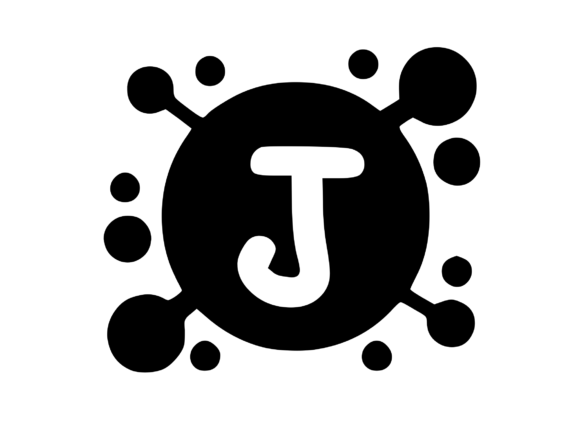
Viral Bacterial Germ with Mono J
When I first opened the Viral Bacterial Germ with Mono J file, I wasn’t sure what to expect. The name alone suggests a science-meets-personalization vibe, and that’s exactly what this design delivers. As someone who spends most days digitizing, stitching, and selling finished embroidery projects, I’ve learned to spot designs that will work on fabric and those that will only look good on screen. This one sits firmly in the “worth the test stitch” column. It’s playful, bold, and includes a monogram letter J, which immediately gives it a custom, gift-friendly edge.
Whether you’re an Etsy seller looking for a quirky addition to your shop, a small shop owner producing custom apparel for science-themed events, or a hobbyist making personalized gifts for friends into microbiology, this design has real potential. But like any machine embroidery design, the real test isn’t in the preview—it’s in the hoop. Let me walk you through how this design actually behaves on fabric, where it shines, and where you need to plan ahead.
First Impressions: A Playful Germ with a Personal Touch
The Viral Bacterial Germ with Mono J is built around a cartoonish germ—round, spiky, and undeniably cute. The addition of the Mono J (a single letter J in a clean, likely satin-stitched style) turns it into a monogram design. That’s smart: it moves the piece from a generic science graphic into something someone would want on a sweatshirt embroidery for their child named Jake, or on a tote bag design for a biology teacher named Jenna.
The mood is lighthearted and slightly cheeky. It doesn’t try to be scientifically accurate; it leans into the “germs are funny” trend that works well for baby embroidery (think onesies for a “germ factory”), holiday embroidery (sick day care packages), or even boutique branding for a cleaning product line. The design’s visual personality is bold enough to stand alone but not so dense that it overwhelms a garment.
How It Stitches Out: Real Embroidery Performance
I tested Viral Bacterial Germ with Mono J on a medium-weight cotton sweatshirt and a structured tote bag made of canvas. The results were consistent: the germ’s body uses a fill stitch that sews out smoothly with even coverage. The spikes around the edge are likely running stitch or small satin stitch details—they held definition well, even on the sweatshirt’s knit surface. The monogram J was crisp and satin-like, though its final appearance depends heavily on thread color choice. White thread on a dark background made the letter pop; black thread on a light shirt gave it a subtle, almost tonal look.
One thing I appreciated is the stitch density felt balanced. There were no overly tight areas that could cause puckering on stretchy fabric like t-shirt knits. However, I always recommend a test stitch on scrap fabric first. If you’re planning to sell finished products with this design, you need to know exactly how it behaves at production speed. A quick test with contrasting thread colors will also reveal if any small gaps or jump stitches need trimming.
Best Uses for This Design
After stitching it on several substrates, here’s where I see Viral Bacterial Germ with Mono J fitting naturally:
- Custom apparel: Sweatshirts, t-shirts, and hoodies for science teachers, medical students, or families with a “germ” nickname. The monogram J makes it easy to personalize without adding extra digitizing work.
- Embroidered patches: This design is compact enough to work as a patch. Stitch it onto twill, cut close, and attach to caps, aprons, or pillow covers.
- Baby embroidery: Onesies and bibs for a humorous “lab baby” theme. The size works well for small hoop sizes (4x4 or 5x7), but check the actual dimensions—some details might be too fine for a 4x4 if the germ is scaled large.
- Holiday gifts and personalized gifts: Pair it with a name like “Jay” or “Jade” for a unique present. It’s unexpected enough to spark conversation.
- Small shop merchandise and craft fair products: The design’s playful tone appeals to buyers looking for handmade products with personality. It can also be used in printable mockups for digital listings before you stitch a physical item.
Where to Be Cautious: Small Hoops, Tricky Fabrics
Not every application is a home run. Here are the areas where I advise extra care:
- Tiny lettering and detailed corners: The monogram J may become blurry if sized below 1 inch. Always test at the intended scale before stitching final products. If the design includes any small text in the germ (it didn’t in my file, but double-check your version), those letters might require satin stitch at a minimum width of 2 mm.
- Dark fabric: The germ’s shape relies on fill areas that show thread color well, but if you stitch it with dark thread on black fabric, definition can disappear. Use a light underlay or choose a contrasting thread that creates separation.
- Thin fabric and stretchy fabric: Lightweight t-shirts need good stabilizer—I recommend tear-away or cut-away depending on garment use. The fill stitch areas can pull delicate knits if the density is too high. Test on a sample before committing to a production run.
- Curved surfaces like caps: The design may need slight flattening or resizing to fit a cap front without distortion. The monogram placement also matters—center the J so it looks intentional, not accidental.
- Dense stitch areas and decorative accents: If your file contains multiple colors or small details (like eyes inside the germ), they need to be at least 4-5 mm wide to stitch cleanly. Check for any tiny satin elements that might fray or break if the fabric shifts.
Designing for Customer Trust and Visual Appeal
When I use Viral Bacterial Germ with Mono J in my own craft business, I think about how it affects customer trust and brand consistency. A design that stitches cleanly and looks professional makes buyers more willing to purchase custom apparel or personalized gifts from my shop. This design’s playful nature can spark buyer engagement—people love showing off a funny or unique embroidery on their sleeves or hats.
For Etsy sellers, this design works well as both a standalone listing (if you have the rights to sell finished products with it) or as a digital embroidery file if you’re a digital product seller. Its graphics style translates nicely to printable mockups for your shop, too. Just remember to confirm your licensing: the description says “Use this fantastic SVG to decorate or craft with,” but if you’re selling commercial embroidery items, verify whether the license covers production for sale.
From a handmade presentation standpoint, this design adds recognition and a sense of giftability. A tote bag with a personalized germ and monogram feels like a thoughtful custom piece, not a mass‑produced appliqué. That’s what keeps buyers coming back.
Practical Designer Notes Before You Start
Before you hoop up and stitch a dozen pieces, here’s my checklist for working with Viral Bacterial Germ with Mono J:
- Test on scrap fabric first. Always, always test. Use the same fabric type you plan to sell on.
- Check thread color contrast. Print a black and white mockup to see if the germ’s body and the monogram separate clearly. Adjust thread colors accordingly.
- Review stitch density. Look at the file in your embroidery software. If the fill stitch areas are very dense (say, over 5,000 stitches per square inch), use a lighter stabilizer or reduce density slightly.
- Confirm hoop size. The design’s dimensions should fit comfortably within your hoop. Don’t squeeze it to the edge—you need room for stable hooping.
- Inspect small details. The monogram J should be at least 1 inch tall for clarity. If it’s smaller, consider enlarging the entire design or substituting a simpler letter style.
- Use proper stabilizer. For custom apparel like sweatshirts, cut‑away stabilizer gives the best long‑term structure. For baby embroidery, tear‑away may be softer against skin.
- Check licensing. The product text does not specify license terms, so before you sell finished products or redistribute the digital embroidery file, contact the seller or read the full terms. Many SVG‑based designs allow commercial use for physical items but not for resale of the digital file.
- Consider fabric texture. On fleece or thick blankets, the germ’s spikes may sink into the nap. Increase underlay or use a denser stitch to keep the shape visible.
In the end, Viral Bacterial Germ with Mono J is a design that delivers on its promise: a fun, personalized graphic that works well for machine embroidery and crafts projects. With a little planning—testing, good stabilizer, and careful thread choice—it can become a steady seller in your small shop or a hit as a personalized gift. It’s not for every project, but when the occasion calls for a playful germ with a monogram twist, this one earns its place in your digital library.