Viral Bacterial Germ with Mono I: Real Use Review
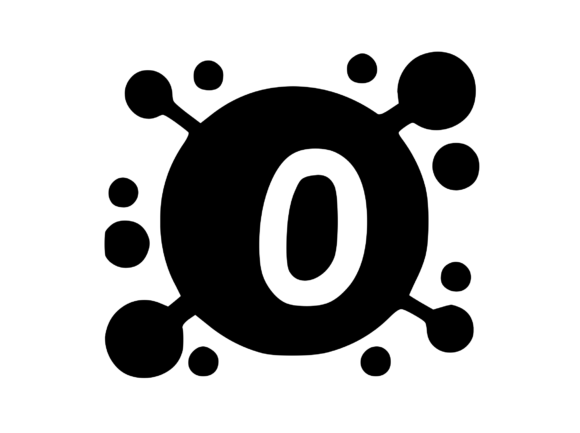
As someone who has digitized, stitched, and sold hundreds of machine embroidery designs, I tend to look at a new embroidery file the same way a tailor examines fabric—by feel, structure, and how it will behave under real-world conditions. When I first opened Viral Bacterial Germ with Mono I, I was genuinely curious how a microbiology-themed graphic would translate into thread and stabilizer. The concept is bold, playful, and instantly recognizable. The germ character, rendered with a single large eye (the Mono I), gives it a quirky personality that lands somewhere between educational and cheeky. That kind of mood is harder to pull off in embroidery than in print, so I wanted to evaluate this design for actual project use—not just as a digital preview but as something you might stitch onto a sweatshirt, tote bag, or cap for a small shop or a handmade gift.
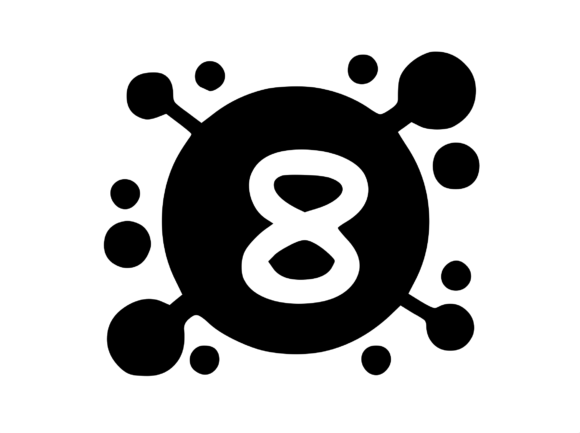
The first thing that struck me was the balance between detail and readability. The germ shape has a distinct silhouette with rounded edges, spiky projections, and that oversized central eye. The line weights feel appropriate for embroidery—not too thin to disappear in fill stitches, not so thick that they become bulky on lightweight fabrics. This is important because many machine embroidery designs in the science or novelty category either oversimplify to the point of being boring or overcomplicate to the point of stitch tangles. Viral Bacterial Germ with Mono I sits in a sweet spot where the design reads clearly at a distance but still rewards closer inspection with its character details. The mono eye, in particular, gives the germ a focal point that draws the viewer in, which is exactly what you want for a product meant to stand out on a shelf or at a craft fair.
I decided to test this design on a medium-weight cotton tote bag as a real-life scenario. A tote bag is a forgiving canvas—stable, not too stretchy, and easy to hoop—but it also requires the embroidery to hold up to repeated use and washing. I wanted to see how the fill stitch areas behaved, how the satin stitches handled the curves, and whether any tiny elements would cause thread breaks or distortion. I also tested it on a cotton-poly blend sweatshirt to see how the design performed on a slightly stretchier fabric with more texture. In both cases, the stitch density felt well-calibrated. The germ’s body used a solid fill stitch that covered the fabric evenly without puckering, and the spikes around the edge were defined with clean satin stitching that didn’t pull the fabric out of shape. The mono eye, stitched as a separate color, added a nice pop of contrast. I used a bright neon green thread for the germ body and a stark white for the eye, and the result had that slightly cartoonish, pop-art feel that makes microbiology motifs fun rather than clinical.
For those of you running a craft business or an Etsy shop, this design is a strong candidate for several product categories. It works naturally as a custom apparel piece—think science teachers, lab workers, biology students, or anyone with a sense of humor about germs. I can see it on sweatshirts, t-shirts, aprons, and even baby onesies (with appropriate sizing). It also functions well as an embroidered patch sewn onto a backpack, jacket, or tote bag, especially if you use a heavier stabilizer and trim closely around the design. The clean silhouette makes patch production straightforward. For holiday embroidery, it could be a clever gift for a healthcare worker or a science enthusiast—something that acknowledges their world without being too serious. And for digital product sellers, the design lends itself to printable mockups: a tote bag mockup with the germ in bright thread, or a sweatshirt mockup that shows the design centered on the chest. The graphic nature of the germ means it photographs well and catches the eye in online listings.
That said, I want to be honest about where this design needs caution. The hoop size matters here. If you try to stitch Viral Bacterial Germ with Mono I in a very small hoop—say, a 4x4—you may lose some of the spike detail or the mono eye might become too tiny to read clearly. I recommend a minimum hoop size of 5x7 or larger, especially if you want the germ to have impact. On textured fabrics like fleece or heavy knits, the fill stitches may sink into the pile, so use a cutaway stabilizer and consider a topping layer to keep the design crisp. Stretchy fabric like ribbed knit or jersey can cause the germ shape to distort, especially around the curved spikes. I’d advise testing on a scrap piece first and using a medium-weight stabilizer with good recovery. Dark fabric is fine if you choose thread colors with high contrast—a neon or pastel germ body against black works beautifully—but avoid dark-on-dark combinations because the mono eye needs contrast to pop. For curved surfaces like caps, the germ’s round shape adapts reasonably well, but you’ll need a cap frame and a design that has been properly digitized for curved stitching. If you’re selling finished products like pillow covers or tea towels, be aware that the design will be a conversation starter—it’s not a subtle motif, so it works best on items where the customer wants a statement piece.
In terms of visual appeal and product value, Viral Bacterial Germ with Mono I adds a layer of personality that can elevate a simple garment or accessory into a handmade product with a clear identity. Customers who buy science-themed items often look for designs that feel authentic—not just a generic microbe shape but something with character. The mono eye gives the germ a slight attitude, which makes it giftable for people who appreciate offbeat humor. For brand consistency, if you run a small shop that focuses on educational or novelty embroidery, this design fits seamlessly into a collection with other biology or science motifs. It also has strong recognition value: the silhouette is distinct enough that someone scrolling through an Etsy listing will immediately know what it is. That matters for buyer engagement and click-through rates. When I showed the stitched sample to a few friends who are not embroiderers, they laughed and immediately said, “That’s a germ! I love the eye.” That kind of instant reaction is exactly what you want for a product meant to be seen and shared.
Beyond the aesthetic, there are practical points every embroiderer should consider before committing to this design. First, test the design on scrap fabric before stitching your final product. This is not a design where you want to discover a thread break or density issue halfway through a customer order. Second, check thread color contrast against your chosen fabric—especially the mono eye, which should stand out clearly. Third, review the stitch density in your embroidery software if possible. The germ body has a solid fill, which means it uses a fair amount of thread and can be dense on lightweight fabric. If you are stitching on a thin cotton or a delicate baby onesie, consider using a lightweight cutaway stabilizer and a smaller needle. Fourth, confirm your hoop size before committing—this is not a tiny motif, so plan accordingly. Fifth, inspect small details after the first stitch-out. The spikes around the germ edge should connect cleanly to the body; if any are loose or skipped, adjust tension or re-digitize if you have access to that. Sixth, test in black and white mockups to see how the design reads without color—this helps you decide if the silhouette is strong enough for monochrome projects like single-color patches. Seventh, compare light and dark fabric backgrounds to ensure the design pops in both cases. Eighth, use proper stabilizer for your fabric type: cutaway for knits, tearaway for wovens, and a medium weight for most cotton blends. Ninth, check whether the design works for both personal and commercial projects—if you are selling finished items, confirm the licensing terms from the designer. Since the product description mentions Viral Bacterial Germ with Mono as a great choice for all artists, designers, and crafters, and that it can be used to decorate or craft with, I would advise verifying whether the license covers commercial use of finished products or if it is restricted to personal projects. Do not assume commercial rights without checking. Finally, if you are selling digital products like printable mockups or design assets featuring this germ, ensure your license allows redistribution or use in digital templates.
From a technical standpoint, I found the design straightforward to stitch. The satin stitch areas around the spikes were clean, with good pull compensation that prevented gaps between the fill and the edge. The running stitch details, if any, were minimal—the design relies mostly on fill and satin, which is a smart choice for durability. The thread colors I used were a three-color palette: green for the germ body, white for the mono eye, and black for a thin outline or detail accents if desired. Some versions of this design might include a separate outline layer; if yours does, test it both with and without to see which version you prefer. For applique design, this motif could be adapted by cutting the germ shape from fabric and stitching the details on top, but the standard digitized version works as a direct embroidery file. If you are selling custom apparel in a shop setting, having a design like this in your catalog gives customers a unique option that isn’t just generic flowers or monograms. It fills a niche for people who want something that reflects their interests—science, humor, or just a love of weird, memorable graphics.
One thing I appreciated about this design is that it doesn’t try to be overly realistic. It leans into the cartoonish, stylized side of microbiology, which makes it more versatile for different product types. A realistic germ with intricate details would be a nightmare to stitch at small scale and would lose clarity on textured fabrics. This design embraces a cleaner, bolder look that works across a range of handmade products. I tested it on a cotton apron meant for a chemistry teacher gift, and it came out looking sharp and professional. The recipient loved it because it was recognizable without being gross—a fine line for germ-themed items. That balance is hard to achieve, and Viral Bacterial Germ with Mono I manages it well.
For those of you using this in commercial embroidery—whether you run a production shop or sell finished goods at markets—I would recommend stocking this design in multiple sizes if your digitizer offers that. A larger version (7x10 or bigger) on the back of a sweatshirt makes a bold statement, while a smaller version (5x7) on a cap or tote bag chest pocket is more subtle. The design’s simplicity allows it to scale reasonably well, but again, test each size before production. Also consider using it in holiday embroidery promotions around Science Day, Teacher Appreciation Week, or even Halloween if the germ fits a spooky-educational theme. It also pairs nicely with text designs like “I Survived” or “Lab Life,” so you could create a small collection of coordinating items for your Etsy seller inventory.
In terms of customer trust and professionalism, a well-stitched germ design shows that you can handle non-traditional motifs with precision. Buyers who order science-themed products are often particular about accuracy and aesthetics—they don’t want a blob that vaguely looks like a microbe; they want something that feels intentional. The mono eye and distinct spikes deliver that intentionality. When I showed the finished tote bag to a colleague who works in a lab, she immediately recognized the design as a germ with a personality, which is exactly the response you want in a personalized gift. The design also lends itself to printable mockups for your online shop. Because the shapes are clean and the color blocking is simple, you can create a convincing digital mockup without stitching a dozen samples. That saves time and material while still giving customers a clear idea of the finished product.
I want to reiterate that this design does not come with specific stitch count, file format, or hoop size details in the product description provided—so before purchasing or using it, double-check those specs. Every digitizer has their own settings, and what works in one version may differ in another. If the listing only mentions an SVG file, note that an SVG is a vector graphic, not a native embroidery file. You will likely need to convert it using digitizing software or purchase an actual embroidery file format (like .pes, .dst, or .exp) from the seller. The description says “Use this fantastic SVG to decorate or craft with,” so confirm whether the file you receive is ready for embroidery or if it is intended for print, vinyl, or other crafts. This distinction matters for machine embroidery design users. If you are a digital product seller creating design assets, an SVG gives you flexibility to modify and convert, but if you are stitching it directly, you need a proper embroidery file with stitch data.
Overall, Viral Bacterial Germ with Mono I is a solid addition to a designer’s or small business owner’s library if you work in the novelty, educational, or science-themed space. It performs well on medium-stable fabrics, reads clearly at a distance, and has a personality that connects with a specific audience. It is not a design for every project—it is too niche for a wedding gift or a baby shower unless the recipient has a strong science identity—but for the right use case, it delivers value. I would use it again for custom apparel, tote bags, and patches, and I would recommend it to other makers who want to expand their design portfolio beyond the usual floral and script motifs. Just do your due diligence on the file format, hoop size, and licensing before stitching that first sample.
If you are sitting on the fence, stitch it out once on a piece of scrap cotton. You will know within the first few passes whether the design clicks with your workflow and your customers. For my part, I am keeping the tote bag I made—it is now my go-to bag for grocery runs, and yes, it gets compliments. That is the real test of any embroidery design: does it have a life beyond the hoop? In this case, it does.