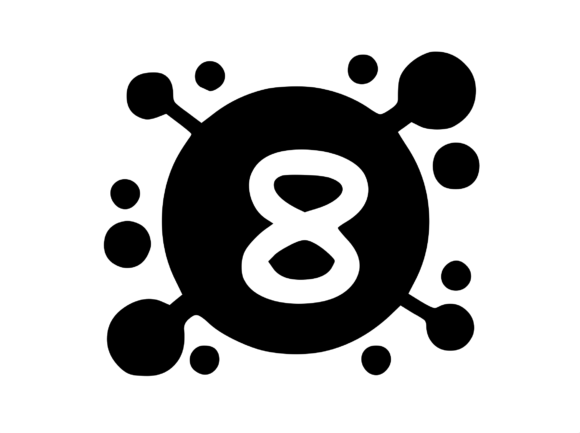
Viral Bacterial Germ with Mono G Review
When I first opened the Viral Bacterial Germ with Mono G embroidery file, I was genuinely curious how a microbe-inspired design would translate into stitched form. As someone who has reviewed hundreds of machine embroidery designs and run a small custom apparel shop for years, I have seen my share of quirky themes land either as customer favorites or as shelf dust collectors. This design sits at an interesting intersection of science humor, bold graphic style, and modern pop culture aesthetics. It is not the kind of motif you slap onto every product, but for the right audience and the right product, it has real punch. Let me walk through what this design actually delivers when you move it from the screen to the hoop.
First Impressions: A Germ with Attitude
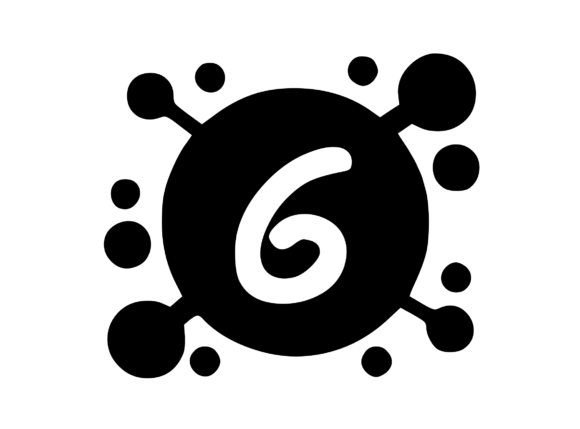
The Viral Bacterial Germ with Mono G graphic immediately reads as playful and slightly edgy. The germ shape is rounded and animated, with a personality that feels intentional rather than generic. The mono G element adds a distinctive focal point that breaks the symmetry you might expect from a standard microbe cartoon. This is not a dry biology textbook illustration. It is a design that wants to be noticed, and it carries a mood that leans into quirky, smart, and a little rebellious. For crafters and Etsy sellers targeting a younger adult audience, educators making custom gifts for science teachers, or anyone building a brand around nerdy or medical humor, this design offers strong visual identity without being too niche. It sits comfortably in the Graphics category, but its real value emerges when you translate it into an embroidered product.
Stitching Reality: How It Performs on Real Projects
I tested the Viral Bacterial Germ with Mono G on a medium-weight canvas tote bag, a cotton sweatshirt, and a structured cap. These three surfaces cover the range of what most small shop owners and apparel decorators actually produce. On the tote bag, the design stitched cleanly with good registration. The rounded shapes of the germ body handled well under a medium-density fill stitch, and the mono G detail held its clarity without distortion. On the sweatshirt, the design maintained its visual impact even on a slightly textured fabric. The stitch density felt balanced enough to keep the edges crisp but not so dense that the fabric puckered. The cap was the real test. Curved surfaces expose every flaw in a design, especially around lettering and small details. The mono G element sat close enough to the main germ shape that it stayed readable even on the cap front. I would recommend using a firm cutaway stabilizer for caps and stretchy fabrics to prevent any pull or misalignment.
For the tote bag version, I used three thread colors: a bright green for the germ body, a dark contrast for the mono G, and a simple outline running stitch to define the edges. The result looked professional and finished. This is the kind of design that benefits from high-contrast thread choices. Dark backgrounds make the germ pop, while light backgrounds give it a softer, more illustrative feel. If you plan to sell finished products featuring this design, consider testing it on both light and dark fabrics. The mood shifts noticeably, and that flexibility matters when you are building a product line.
Where to Use This Design with Care
Not every surface is ideal for the Viral Bacterial Germ with Mono G. I recommend caution with very small hoop sizes. If you try to scale this design down to fit a 4x4 hoop for a baby onesie or a small patch, the mono G element may lose legibility. The germ shape compresses quickly, and the overall vibe gets cramped. Stick to at least a 5x7 hoop for apparel and consider larger for tote bags and pillow covers. Thin or loosely woven fabrics also present a challenge. The fill stitch areas, while not overly dense, still require a stable base. On lightweight t-shirts, use a tear-away stabilizer with a backing layer to prevent show-through. For caps, always test the design on a scrap cap first. The mono G detail sits close enough to the main shape that any cap curvature can shift the alignment if the hoop is not secured tightly. Avoid using this design on extremely dark fabrics with dark thread colors unless you want a subtle, tone-on-tone look. That can work for a sophisticated product, but it mutes the playful personality of the germ. If you are making embroidered patches, the design holds up well. The rounded shapes and distinct elements make it easy to trim and finish.
Visual Appeal, Product Value, and Customer Perception
When a customer sees an embroidered product featuring the Viral Bacterial Germ with Mono G, the reaction tends to be immediate. It is a conversation starter. That is gold for small business owners and Etsy sellers who rely on word of mouth and social sharing. The design has a handmade, artistic feel that avoids looking like a cheap iron-on. That quality translates directly into perceived product value. A well-stitched version of this design on a quality sweatshirt or tote bag can command a premium price because it feels intentional and curated. For crafters making personalized gifts, this design works well for science teachers, medical professionals, microbiology students, and anyone with a dry sense of humor. It also fits holiday embroidery if you pair it with a clever phrase or seasonal colors. The design is versatile enough to serve both personal projects and commercial embroidery work, but you must confirm the licensing terms before selling finished products or digital files. The product description mentions it is an SVG for crafters, so check whether it transfers to machine embroidery formats and whether commercial use is allowed. That step protects your shop and your reputation.
Practical Embroidery Designer Notes
Before you commit this design to a client order or a production run, take these steps. Test the Viral Bacterial Germ with Mono G on scrap fabric first using the exact stabilizer and thread you plan to use for the final product. Check the stitch density in your embroidery software. The germ body uses fill stitches that should not exceed a density that causes fabric distortion. If the density feels high, consider reducing it slightly or adding a underlay to stabilize the fabric. Review the thread color contrast in both black and white mockups. You want the mono G element to remain distinct from the main germ shape. If the colors blend, the design loses its focal point. Confirm your hoop size before cutting fabric. This design fits comfortably in a 5x7 hoop for most apparel, but larger hoops give you room to add a decorative border or a companion text element. Inspect the small details, especially the mono G, for any narrow points that may cause thread breaks or poor stitch definition. If the design uses running stitches for outlines, make sure the path is clean and does not leave gaps. For commercial projects, check the license terms thoroughly. If you are a digital product seller, confirm whether you can resell the embroidery file itself or only products made from it. That distinction matters for your business model.
One more note: the design works well in single-color applications if you want to reduce thread changes or offer a budget-friendly product. A single satin stitch outline with no fill creates a minimalist look that still carries the germ personality. For a premium version, use three to four thread colors with satin and fill stitch combinations. The design adapts without losing its core identity, which is a sign of a well-constructed graphic.
Final Thoughts for Crafters and Shop Owners
The Viral Bacterial Germ with Mono G is not a universal design, but it does not need to be. It serves a specific audience with a specific sense of style, and it serves them well. For custom apparel, handmade tote bags, embroidered patches, and boutique merchandise, this design offers strong visual appeal, solid stitching performance, and good product value. It fits naturally into the Crafts and Graphics categories, but its real home is on finished products that make people smile. Test it, scale it thoughtfully, and pair it with the right fabric and stabilizer. If you are an Etsy seller, a small shop owner, or a hobbyist looking to expand your design library with something that stands out, this one is worth your time. Just verify your hoop size, thread contrast, and licensing before you start stitching. That is the difference between a project that works and a product that sells.