Viral Bacterial Germ with Mono F Review
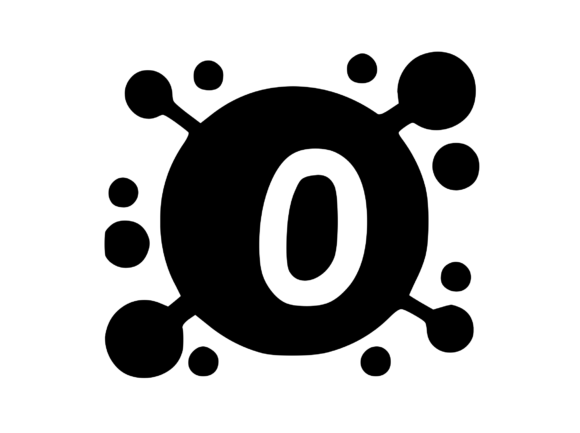
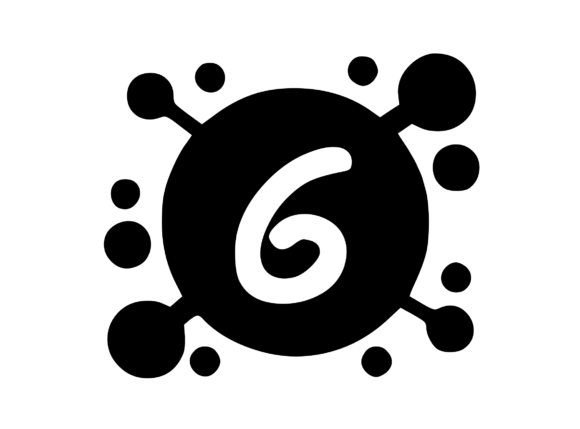
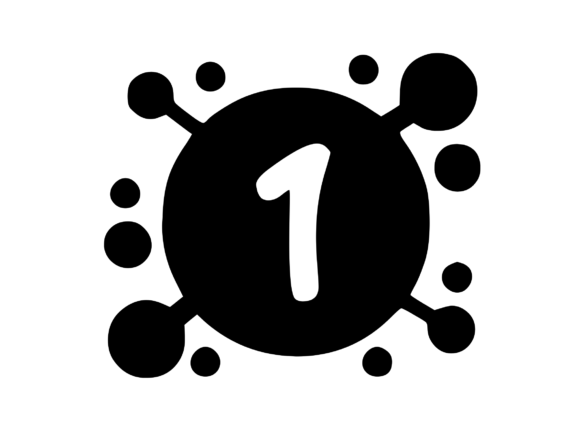
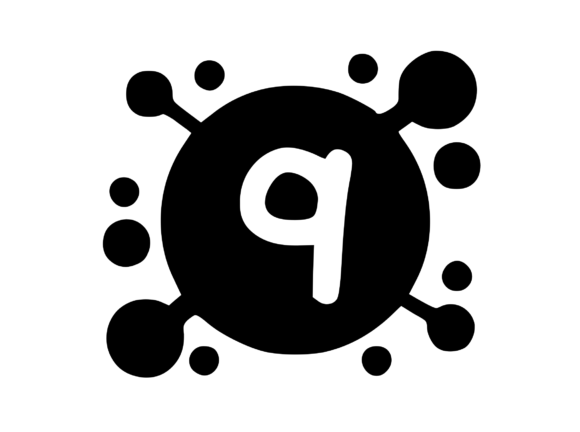
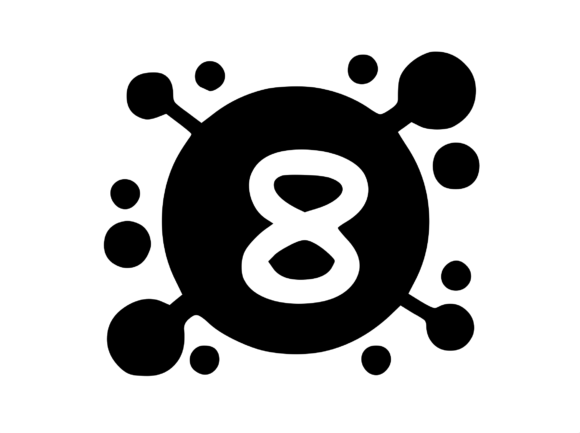
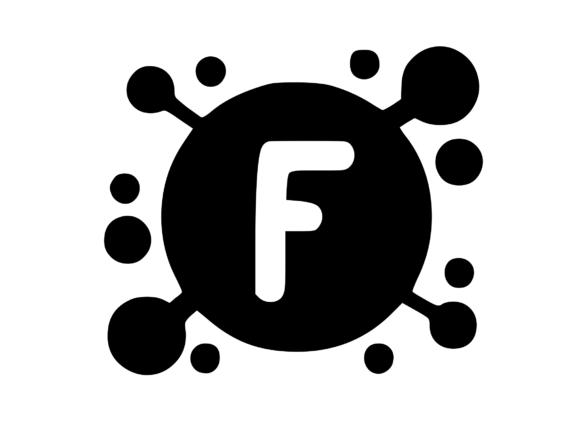
When I first opened the Viral Bacterial Germ with Mono F design, I felt like I was looking at something that could go either way. It has this playful, almost mischievous mood. The shape is round and organic, and the mono line treatment gives it a clean, graphic feel that reminds me of science illustration crossed with pop art. The visual personality is bold without being aggressive. It is not trying to be cute in a sweet way, and it is not trying to be scary. It lands somewhere in the middle, which makes it surprisingly versatile for a design about germs.
I have been stitching and selling machine embroidery designs for over a decade, and I have learned that themes like this one often surprise you. A design that seems niche can end up being the one customers ask for again and again. Viral Bacterial Germ with Mono F has that kind of potential. The layout is centered, the detail level is moderate, and the overall shape feels balanced. It looks like it belongs on a tote bag, a sweatshirt, or a patch. It also has the kind of graphic punch that works well in digital mockups and social media posts for a craft business.
A Real Project Test: The Custom Tote Bag
To give this review a fair test, I decided to stitch Viral Bacterial Germ with Mono F onto a sturdy cotton tote bag. I wanted to see how the design would hold up on a product that gets regular use. I used a medium-weight cutaway stabilizer and a standard hoop size that I commonly use for mid-sized designs. The thread colors I chose were a bright neon green for the germ body and a deep charcoal for the mono outline. The contrast was strong, and the design popped immediately.
After the first stitch out, I was pleased with the clarity. The fill stitches were smooth and the satin stitch details around the edges tracked well. The mono outline gave the design a crisp boundary that made the germ shape feel intentional and polished. I let a few friends handle the bag and asked what they thought. Almost everyone laughed and said they would buy one. That reaction told me this design has real product potential for an Etsy seller or a small shop owner looking for something that starts conversations.
I also tested it on a lightweight sweatshirt in heather gray. On that fabric, the design needed a tear-away stabilizer on top to keep the stitches from sinking into the knit. Once I made that adjustment, the stitch out was clean. The design sat well on the fabric and did not pucker. For a holiday gift or a boutique product, this design would work nicely. It also fits the Crafts category well because it can be applied to so many different surfaces.
Where This Design Shines in Real Embroidery Work
Viral Bacterial Germ with Mono F performs best on products where the design can be the main focal point. It is not a background element. It wants to be seen. Here are a few product categories where I think it will do well:
- Custom apparel – t-shirts, sweatshirts, hoodies, and caps. The design reads well from a distance, which matters for apparel that people wear in public.
- Embroidered patches – because of the centered layout and clear outline, this design makes a strong patch. It could be sewn onto jackets, backpacks, or aprons.
- Tote bags and aprons – these products need designs that are durable and visually striking. The germ motif fits the playful vibe of a kitchen or market bag.
- Baby embroidery and nursery decor – this might seem surprising, but I think a softer color palette would make this design work on a baby onesie or a small pillow cover. The germ shape can be interpreted as a friendly little character.
- Digital product previews and printable mockups – because the design is a vector-based graphic, it also works as a digital asset for sellers who create mockups or design assets for their shops.
Where to Use This Design Carefully
Not every product is a perfect match for Viral Bacterial Germ with Mono F. I tested it in a few situations that required extra caution, and I want to share those notes honestly.
Small hoop sizes – if you are working with a hoop that is under four inches, the detail in the mono line might become too tight. The design needs enough real estate to let the fill and satin stitches breathe. I recommend testing it in a larger hoop first and then scaling down gradually.
Textured fabrics – fleece, terry cloth, and heavy knits can absorb the mono outline and make the design look fuzzy. Use a dense stabilizer and consider a water-soluble topping to keep the stitches crisp.
Stretchy fabric – on jersey or ribbed knit, the design can distort if the fabric is not hooped properly. I suggest using a cutaway stabilizer and a light touch when hooping to avoid pulling the fabric out of shape.
Dark fabric – if you stitch this design on black or navy, the mono outline may not contrast enough if you use a single dark thread. I would recommend a white or neon thread for the outline to make the design pop against dark backgrounds.
Curved surfaces like caps – the centered layout works on a cap front, but the design may need to be slightly resized to fit within the cap frame. Test it on a practice cap before stitching a production run.
How It Affects Product Value and Customer Trust
When I evaluate a design for my own shop, I think about how it will affect the finished product from the customer's perspective. Viral Bacterial Germ with Mono F has a professional look when stitched correctly. The fill stitches are dense enough to cover the fabric without being stiff, and the mono outline adds a finished edge that makes the design feel like a premium product rather than a quick stitch out.
Customers who buy handmade products or personalized gifts notice these details. A design that is clean, well-proportioned, and well-stitched builds trust. It tells the buyer that the maker cares about quality. For an Etsy seller or a small business owner, that trust translates into repeat sales and word-of-mouth referrals. I also think this design has strong giftability. It is unusual enough to feel special, but not so niche that it only appeals to a tiny audience. A sweatshirt with this design could be a holiday gift for a science teacher, a friend who loves quirky apparel, or a teenager who enjoys bold graphics.
From a brand consistency standpoint, this design works well for shops that focus on science, humor, or pop culture themes. It could also be part of a series of germ or microbe designs, which would give a shop a cohesive collection. For a Graphics product category, the SVG version of this design is useful for digital mockups and promotional material, but the embroidery file is where the real value lives for stitchers.
Practical Embroidery Designer Notes
Before you start a production run with Viral Bacterial Germ with Mono F, I recommend a few steps that will save you time and materials.
- Test the design on scrap fabric first – this is the most important step. Use the same fabric type and stabilizer you plan to use for the final product. Check the stitch out for any gaps, puckering, or thread breaks.
- Check thread color contrast – the mono outline needs to stand out from the fill color. If the contrast is too low, the design will look flat. Try a black and white mockup on screen before you thread the machine.
- Review stitch density – if the design feels too dense in certain areas, consider reducing the density slightly to avoid fabric stiffness and longer stitch times. High density can also cause thread breaks on less stable fabrics.
- Confirm hoop size – make sure the design fits within your hoop with at least half an inch of clearance on all sides. Cramped hooping leads to misalignment and poor stitch quality.
- Inspect small details – the mono line may have fine curves that could cause registration issues if the fabric shifts. Watch the first few stitches closely when running a test.
- Test on light and dark fabric backgrounds – the design reads differently on different colors. A light germ on a dark background has a completely different mood than a dark germ on a light background. Choose the version that fits your product line.
- Use proper stabilizer – cutaway stabilizer is my recommendation for most garment applications with this design. For patches, a heavy tear-away or water-soluble stabilizer works well.
- Check licensing before selling – if you plan to sell finished products or digital files featuring this design, confirm the license terms. Some designs allow commercial use, and some do not. Always check before listing on Etsy or at a craft fair.
Final Thoughts on Viral Bacterial Germ with Mono F
After spending several sessions stitching and evaluating Viral Bacterial Germ with Mono F, I can say that it is a solid design for anyone who wants to create standout handmade products. It is not a cautious design. It has personality, and that is exactly what small shop merchandise needs to compete in a crowded market. Whether you are making custom apparel for a local boutique, designing a patch collection for an online shop, or creating a tote bag for a craft fair, this design gives you a strong visual hook.
I appreciate that it works both as a standalone piece and as part of a larger collection. For a Crafts project, it is easy to imagine this design on a series of kitchen towels or pillow covers, each with a different germ character. The Graphics format also makes it easy to preview the design before stitching, which saves time and reduces waste.
If you are an embroidery designer or a small business owner looking for a design that stands out without being overly complex, Viral Bacterial Germ with Mono F is worth adding to your library. Just remember to test it thoroughly, match your stabilizer to your fabric, and double-check the licensing before you sell. With the right preparation, this design can become a reliable part of your product lineup.