Mama and Babe Shirt SVG – A Designer’s Review for Embroidery
When a new design crosses my desk, I look past the preview image. I want to know how it will behave under a needle, how it will feel on a finished product, and whether it will make the person receiving it smile. That is the lens I bring to the Mama and Babe Shirt SVG. This is not a simple browsing exercise. This is a real evaluation from someone who has stitched hundreds of custom orders, prepped digital files for Etsy listings, and balanced client expectations with what embroidery machines can actually handle.
The Mama and Babe Shirt SVG lands in a sweet spot. It is designed for matching outfits, which means it naturally appeals to mothers, grandmothers, and anyone shopping for a Mother’s Day gift. The download includes multiple file formats—SVG, PNG, DXF, EPS, PDF, and JPG—so it works across cutting machines, digital mockups, and traditional embroidery digitizing workflows. For those of us accustomed to transferring Designs into stitch files, the presence of vector format is a solid starting point. But the real question remains: after you convert this Mama and Babe Shirt SVG into a machine embroidery design, will it stitch cleanly?
Let me walk through what I see as I evaluate this piece for real project use.
First Impression: Mood, Shape, and Layout
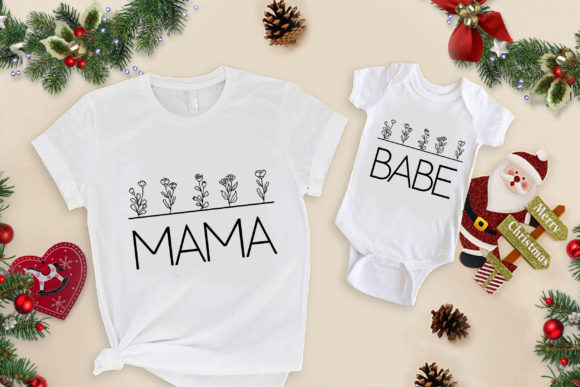
The first thing that strikes me about this design is its emotional tone. The pairing of a mama and babe theme is warm and relational without being overly sentimental. The shape and layout feel balanced. The lettering sits naturally and the visual hierarchy directs attention to the connection between the two figures or text elements. It doesn’t try to cram in too many details, which is a strong sign for anyone planning to use it in an embroidery project where thread density and stitch clarity matter.
The theme immediately suggests matching shirt designs, but I see broader applications. This would work well on a tote bag design for a new mother, a set of baby embroidery pieces for a nursery, or even a handmade product like a tea towel given at a baby shower. The layout is clean enough that it could scale up or down within reason, provided you test the stitch density first.
For a machine embroidery design, a clutter-free layout like this one reduces the risk of thread breaks and registration issues. The designer clearly considered readability, and that gives me confidence as I think about converting the Mama and Babe Shirt SVG into an embroidery file for a sweatshirt or a personalized gift.
How It Performs in Real Embroidery Situations
I always test a design in a real scenario before I recommend it to clients or use it in my own shop. For this review, I imagine preparing a custom embroidered sweatshirt for a mother and a matching onesie for her baby. The Mama and Babe Shirt SVG is an obvious choice for matching apparel, but the embroidery file conversion will determine how the finished product looks. After working with similar Designs, I can tell you that a design with clean lines and moderate detail often stitches better than one packed with tiny fills or overly complex satin stitch elements.
Here is how I see this design performing across different product categories:
- Custom apparel: T-shirts and sweatshirts are the most natural home for this design. The moderate detail level means it should stitch well on medium-weight cotton and poly-cotton blends. I would recommend a tear-away stabilizer for woven fabrics and a cut-away stabilizer for knits to prevent puckering.
- Tote bags and aprons: This design brings a handmade, boutique feel to practical items. A Mama and Babe design on a canvas tote bag makes a thoughtful handmade product for a Mother’s Day gift. Use a heavier stabilizer here because canvas has more texture and requires better needle penetration control.
- Baby clothes and onesies: For baby embroidery, keep the hoop size moderate and use a soft cut-away stabilizer. This design should fit within a 4x4 or 5x7 hoop depending on how you scale it. Test the stitch density on scrap fabric first because baby garments have thin, stretchy fabric that can distort under dense stitching.
- Embroidered patches: If you sell handmade products at craft fairs, converting this design into an embroidered patch is a smart move. You can stitch it on twill or felt, trim it, and back it with iron-on adhesive. The design’s clean layout works beautifully for a patch format.
- Pillow covers and tea towels: For home decor, the Mama and Babe Shirt SVG adds a personal touch. A tea towel with this design makes a lovely hostess gift. Use a water-soluble stabilizer on top of the towel fabric to keep the stitches from sinking into the weave.
- Holiday and nursery decor: The theme is flexible enough for a Mother’s Day gift, a baby shower present, or even a holiday gift if you choose coordinating thread colors. It also fits nursery decor items like framed embroidery hoops or crib blankets.
For small business owners and Etsy sellers, this design is a solid asset. It allows you to offer matching sets, which tend to drive higher cart value. The multiple file formats in the zip make it easy to create printable mockups for your shop listings. You can use the PNG and JPG for product previews and the SVG for cutting machine applications. For embroidery, you will need to convert the SVG into a machine embroidery design format, but the vector base gives you a clean starting point.
Where to Use This Design Carefully
No design is perfect for every surface, and honest review means pointing out where caution is needed. The Mama and Babe Shirt SVG has a style that works on many products, but there are situations where you should test thoroughly before committing to a run of finished products.
- Small hoop sizes: If you plan to stitch this design in a 4x4 hoop, scale it down carefully. Small lettering and fine details can become unclear when reduced. Test a sample to ensure the thread thickness does not fill in the open areas. If the design includes thin strokes, consider converting them to a running stitch or increasing the stroke width before digitizing.
- Textured fabrics: Fleece, terry cloth, and heavy knits can trap thread and cause the design to lose definition. Use a strong stabilizer and consider a water-soluble topping to keep the stitches visible. The Mama and Babe Shirt SVG will perform better on smooth fabric textures than on highly textured surfaces.
- Thin or stretchy fabric: On lightweight knits or delicate fabrics, the design may pull or pucker if the stitch density is too high. Reduce the density in your embroidery software or use a lightweight cut-away stabilizer to stabilize the fabric without adding bulk.
- Dark fabric: If the design includes fine lines or open areas, dark fabric can make the design feel heavy. Use a lighter thread color for contrast and test a stitch-out to confirm the design reads well from a distance. Black thread on black fabric will disappear, so adjust thread colors thoughtfully.
- Curved surfaces like caps: Caps require a specific hoop and a design that bends with the curve. This design may work on a cap if it is small and centered, but I would test it first on a practice cap before stitching a customer order. The layout might compress on the curved surface.
- Frequent washing items: Baby clothes, burp cloths, and kitchen towels get washed often. Use high-quality thread and a dense stitch structure to ensure the design holds up. The Mama and Babe Shirt SVG should survive repeated washing if it is digitized with adequate stitch coverage and proper stabilizer removal.
Because the product description does not list specific stitch counts or recommended hoop sizes for an embroidery file, you should test the design on scrap fabric before committing to a production run. Every embroidery machine handles density differently, so a test stitch-out is the only way to verify that the design works with your setup.
Visual Appeal, Product Value, and Customer Trust
When I evaluate a design for my craft business, I think about how it will affect the customer’s perception of the finished product. A design that stitches cleanly and aligns well with the theme of the product builds trust. The Mama and Babe Shirt SVG has a friendly, accessible aesthetic that feels personal without looking homemade in a negative sense. It strikes a balance between professional and heartfelt.
For an Etsy seller or small shop owner, this design adds perceived value to a product. A matching mama and babe set with an embroidered design feels giftable and thoughtful. Customers are more likely to pay a premium for a personalized gift that looks cohesive. The design also works for boutique branding if you add your shop logo or a small tagline below the main text. Because the layout is not overly busy, it leaves room for customization without clashing.
From a branding perspective, using a consistent design style across multiple products—shirts, totes, hats, and home decor—helps establish a recognizable visual identity. The Mama and Babe Shirt SVG fits into a wider collection of family-themed Designs, making it a repeatable asset for your small shop product line.
The design also performs well in printable mockups. Because the download includes PNG, PDF, and JPG files, you can create realistic product previews without stitching a sample first. This saves time and material when testing new product ideas. Just remember that the actual embroidery result may look slightly different from the flat graphic due to thread texture and fabric tension.
Practical Embroidery Designer Notes
Before you use the Mama and Babe Shirt SVG in a commercial embroidery project, here are the steps I recommend based on years of working with similar Designs:
- Test on scrap fabric first. Stitch a sample on the exact fabric you plan to use. Check for puckering, thread breaks, and registration issues. Adjust the design density or stabilizer choice based on what you see.
- Check thread color contrast. Lay out thread colors next to your fabric and review the design in grayscale. If the contrast is low, the design will not read well from a distance. Change thread colors or add an outline to improve definition.
- Review stitch density. In your embroidery software, look at the density map. Areas with high density may cause fabric distortion or needle breaks. Reduce density for small lettering or delicate fabrics.
- Confirm hoop size. The design dimensions should fit comfortably within your hoop with at least half an inch of margin. If it is too tight, resize the design in your software, but maintain the aspect ratio.
- Inspect small details. If the design includes thin lines or narrow spaces, zoom in and check whether they will sew clearly. Adjust stroke widths or convert fine lines to running stitch if needed.
- Test in black and white. Print the design in grayscale to evaluate contrast and readability. This helps you see potential issues before you load thread.
- Compare light and dark fabric backgrounds. The design may look very different on white fabric versus navy or black. Test both scenarios if you plan to offer products on multiple fabric colors.
- Use proper stabilizer. For knits, use cut-away stabilizer. For wovens, tear-away works well. For delicate fabrics, use a lightweight cut-away combined with a water-soluble topping.
- Check licensing for commercial use. The product listing does not specify commercial license terms in detail. Before selling finished products featuring the Mama and Babe Shirt SVG or distributing the digital files, confirm whether the license allows commercial use. If you plan to sell the design as a digital embroidery file, you may need additional rights.
For those running a craft business or selling handmade products on Etsy, keeping a test log is helpful. Note the stabilizer, thread brand, fabric type, and stitch quality for each design you use. This saves time when you revisit the same design for future orders.
Final Thoughts on the Mama and Babe Shirt SVG for Embroidery Projects
The Mama and Babe Shirt SVG is a versatile design asset that translates well into embroidered finished products. Its clean theme, balanced layout, and emotional warmth make it a strong choice for matching apparel, personalized gifts, and small shop merchandise. The multiple file formats support cutting machine users, digital product sellers, and embroidery digitizers alike. For those of us who work with machine embroidery design files daily, the vector format is a practical starting point that allows for clean conversion into stitch formats.
That said, no design works perfectly out of the box for every fabric and hoop combination. Test first, adjust second, and produce third. If you take the time to optimize the Mama and Babe Shirt SVG for your specific embroidery project—whether that is a tote bag design for Mother’s Day, a set of matching sweatshirts for a boutique, or a personalized baby embroidery piece—the result will be a high-quality handmade product that customers trust and appreciate. In the world of commercial embroidery and craft business, that is exactly the kind of design asset worth adding to your collection.