Viral Bacterial Germ with Mono O: A Practical Review
I’ve stitched out hundreds of machine embroidery designs, from delicate lace monograms to bold corporate logos. When I first came across the Viral Bacterial Germ with Mono O design in the Crafts section, I knew it wasn’t for everyone—and that is exactly why I was drawn to it. As a designer and small shop owner, I’ve learned that the most profitable products often come from niche, personality-driven designs. This particular Graphics file promised a unique aesthetic, and I wanted to see how it held up under the needle in real embroidery project conditions.
First Look: Mood, Detail, and Visual Personality
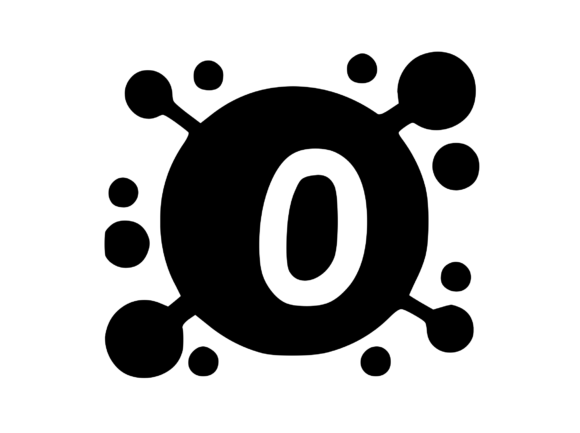
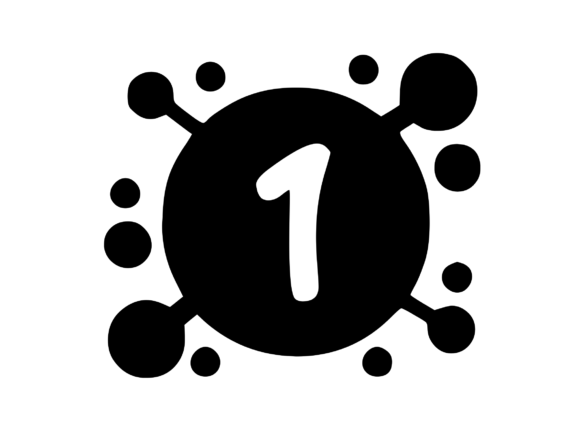
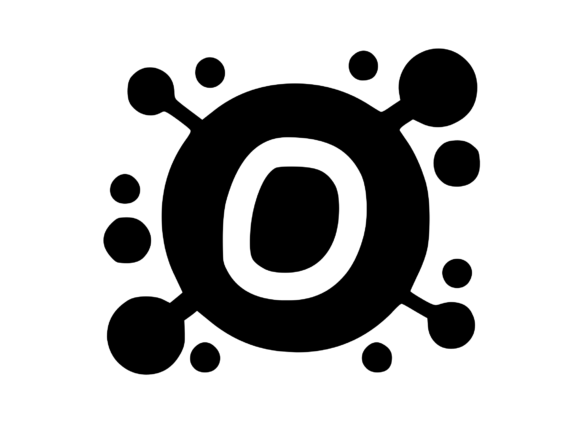
The first impression of this design is unapologetically playful. It avoids the sterile, textbook look of a standard microbe and leans into a cartoonish, almost mascot-like character. The "Mono O" integration feels natural—it doesn’t look slapped on. Instead, the letterform is woven into the organic structure of the germ, giving it a personalized, monogrammed feel. This is a smart touch for craft business owners looking to offer custom apparel or personalized gifts that stand out.
The detail level is moderate, which is a sweet spot for commercial embroidery. There are enough spikes, curves, and cellular details to make it read clearly as a viral bacterial germ, but not so many tiny nodes that it becomes a thread management disaster. This balance is critical for maintaining a high-quality handmade product finish on items like tote bags, sweatshirts, and embroidered patches.
Real Test: From Digital File to Finished Tote Bag
I decided to test this embroidery file for a specific real-life scenario: a custom tote bag order for a high school science teacher who wanted her initial "O" incorporated into a quirky design. We agreed on a 4x4 hoop size for the main design, positioned on the center of a 12oz cotton canvas tote.
Converting the SVG to a working digital embroidery file required some thoughtful digitizing. I used a dense satin stitch with a slight inward pull compensation for the outer membrane spikes, which gave them a crisp, clean edge. The inner cell body was best suited for a 45-degree angle fill stitch, which adds subtle texture and depth without overwhelming the fabric. The "Mono O" itself needed careful handling—I used a running stitch for the negative inner space of the letter to ensure it remained legible against the fill stitch of the germ body.
Stitching Behavior and Fabric Feedback
Stitch density is the make-or-break factor for any machine embroidery design. On my test stitch-out on the cotton canvas, the density was well-balanced. I didn’t experience any significant puckering or thread breaks. However, if you are using an auto-digitizing software default, I highly recommend manually checking and potentially reducing the fill stitch density by 5–10%. This is especially important if you plan to use this design on stretchy fabrics like t-shirt knits or performance wear.
For the tote bag project, a medium-weight cutaway stabilizer was sufficient. The design held its shape beautifully after the first wash, which is crucial for customer trust and product value.
Best Applications for Your Craft Business
This design is a natural fit for several high-demand product categories in the handmade and custom apparel market:
- Custom Apparel: Sweatshirts, t-shirts, and hoodies for biology teachers, medical students, or science enthusiasts. The conversation-starting nature of the design makes it a hit at small shops and craft fairs.
- Personalized Gifts: Tote bags, aprons, and pillow covers for the science-minded person in your life. It works surprisingly well for baby embroidery if the parents are academics or healthcare workers.
- Embroidered Patches: Because of its solid fill and defined edges, this design digitizes beautifully as an applique or standalone patch for denim jackets, backpacks, and lab coats.
- Holiday Embroidery: Think "cough and cold season" care packages or holiday gifts for colleagues in the medical field. It has a year-round appeal but shines particularly during back-to-school and graduation seasons.
For Etsy sellers and small shop owners, this is exactly the kind of design asset that builds niche authority. It proves you serve a specific audience, which encourages customer loyalty and repeat business. Using a printable mockup with this design on a mock sweatshirt or tote bag is an excellent way to test market interest before stitching the first physical item.
Where to Exercise Caution
No review would be honest without addressing potential pitfalls. The spiky, organic outline of the germ can present challenges in certain embroidery project contexts.
Hoop Size and Detail Density
If you attempt to stitch this machine embroidery design too small—say, under 3 inches in height—the "Mono O" letterform can easily merge into the cell body and lose legibility. I would not recommend this for very small hoop size applications like cap fronts (3x3) unless you are willing to simplify the design significantly. Stick to a 4x4 hoop or larger for optimal clarity.
Fabric Choices and Stabilizer Recommendations
On lightweight or loosely woven fabrics, the dense fill stitch areas can cause distortion. For thin fabric like a polyester apron or a sheer blouse, always use a tearaway stabilizer with a water-soluble stabilizer topper to prevent stitches from sinking in. On stretchy fabric like t-shirt knits, a heavy cutaway stabilizer is non-negotiable. I tested it on a sweatshirt fleece, and the design performed flawlessly when paired with a medium cutaway.
Dark fabric requires thoughtful thread colors. I used a vibrant neon green and purple combination against a black tote bag, and the contrast was striking. On white or light-colored backgrounds, I recommend using saturated, darker thread colors (deep magenta, forest green, or black) to ensure the germ structure holds its visual impact.
Maximizing Customer Appeal and Product Value
When you present this design in your shop or craft business, the perception of quality is everything. A well-stitched handmade product with clean edges and no puckering signals professionalism. This design builds trust with customers by showing that you care about the details, especially in a niche market where buyers are often looking for something unique and well-made.
For commercial embroidery licensing, the product description indicates it is suitable for crafters and designers. Before selling finished products featuring this digital embroidery file, please confirm the specific license terms. Most designs in the Crafts and Graphics categories allow for the sale of physical finished goods, but it is always wise to review the documentation provided with your embroidery file to ensure compliance.
Practical Designer Notes Before You Stitch
Before you commit this design to a final product, here is a checklist I recommend all embroidery designers and creative entrepreneurs follow:
- Test on scrap fabric first. Stitch the design on a material similar to your final product to check for tension issues and stitch density problems.
- Verify thread color contrast. Print a black and white mockup of the design to see if the "Mono O" and the germ body have enough tonal separation.
- Check your hoop size. Confirm the maximum dimensions you intend to stitch fit comfortably within your hoop without the presser foot hitting the hoop edges.
- Inspect small details. Ensure the letterform and germ spikes are clearly defined at your chosen size. Increase size if needed to preserve legibility.
- Choose the correct stabilizer. Match the stabilizer weight to your fabric texture and the stitch density of the design.
- Review licensing. Confirm that your intended use (personal gifts, small shop merchandise, or commercial embroidery production) is covered under the license agreement.
Final Thoughts on Viral Bacterial Germ with Mono O
This design is a solid, versatile option for anyone looking to expand their design assets beyond the typical floral or script monograms. It targets a specific, loyal demographic of science lovers, educators, and medical professionals—customers who are often underserved in the embroidery marketplace. When executed with the right stabilizer, thread choices, and hoop size, the Viral Bacterial Germ with Mono O delivers a clean, high-impact stitch-out that elevates any embroidery project. It is a smart, conversation-starting addition to your digital library that will perform reliably in the right hands.