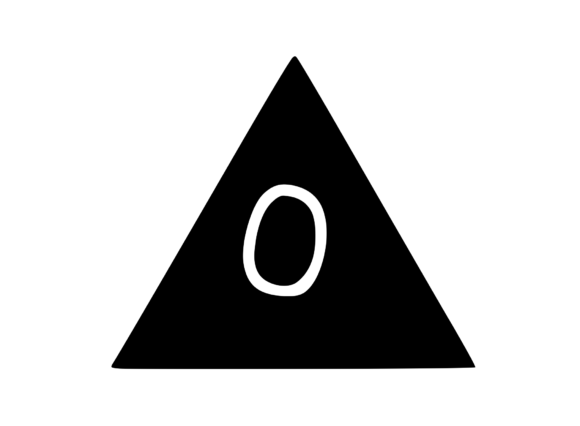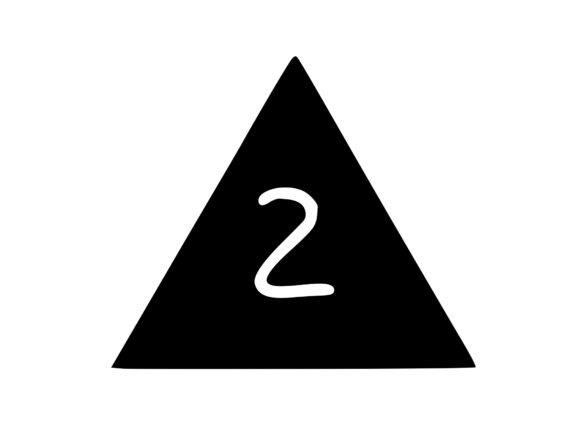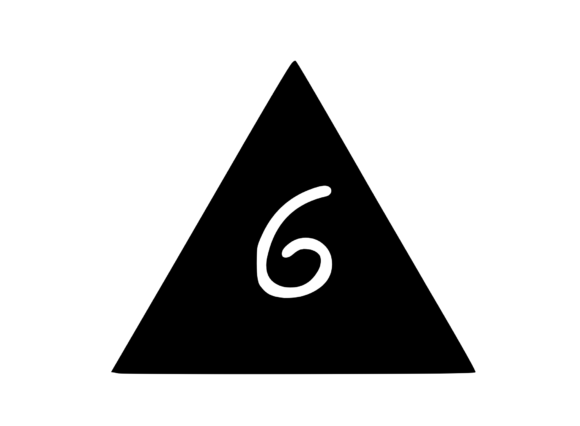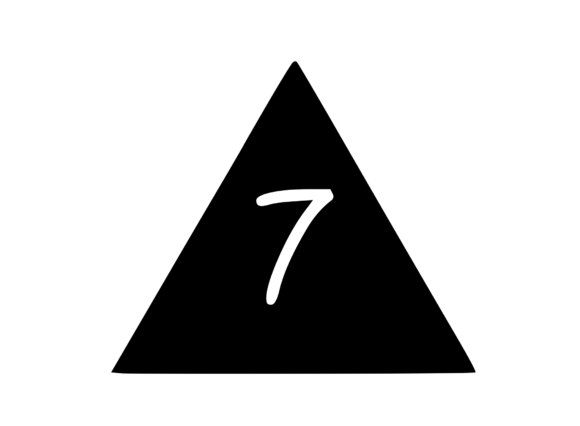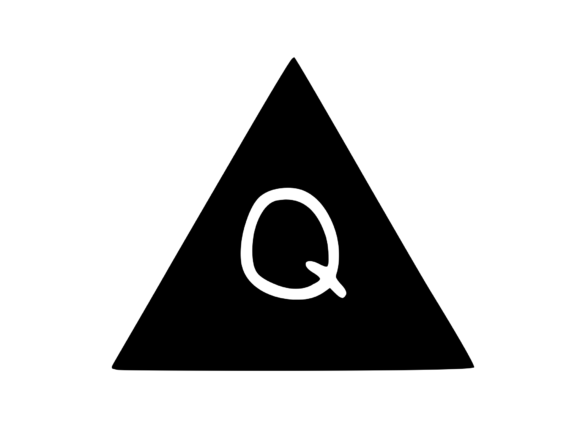
Triangle Shape with Playful Mono Q
As a designer who’s worked with countless embroidery files, I always start by evaluating a design’s first impression. Triangle Shape with Playful Mono Q immediately catches the eye with its bold, geometric form and whimsical character. The triangle isn’t just a shape—it’s a statement. Its clean lines and playful vibe make it ideal for modern, casual, or kid-friendly projects. This is a design that feels both intentional and fun, perfect for adding a unique touch to any handmade product.
The Right Mood for the Right Project
This design has a very specific personality. It leans into simplicity but doesn’t sacrifice charm. The mono-style lettering adds a retro, hand-drawn feel that pairs well with minimalist aesthetics. If you’re looking to create something that stands out without being overwhelming, this is a great fit. It works especially well on custom apparel, like a tote bag design or sweatshirt embroidery, where the visual impact needs to be immediate and memorable.
When I first saw Triangle Shape with Playful Mono Q, I imagined it on a baby onesie or a personalized gift. The shape is versatile enough to work on a variety of surfaces—whether it’s a cap, an apron, or a pillow cover. Its layout is balanced, making it easy to adapt to different sizes and placements without losing clarity.
Real-World Embroidery Performance
Testing Triangle Shape with Playful Mono Q in real-life embroidery situations revealed its strengths and limitations. On standard fabrics like cotton or denim, the design stitches cleanly, especially when using satin stitch or fill stitch. The stitch density is moderate, which means it won’t overwhelm the fabric, but it also doesn’t risk becoming too faint. For most commercial embroidery projects, this design is reliable and efficient.
However, there are some considerations. If you’re working with small hoop sizes, you might find the design too large to fit comfortably. That could lead to stitching errors or uneven placement. Similarly, on textured fabrics or thin materials, the design may not show up as clearly. It’s important to test it on scrap fabric before committing to a final project.
For baby embroidery or items that will see frequent washing, this design holds up well. But if you're planning to use it on dark fabric, make sure the thread colors contrast enough to remain visible. On light backgrounds, the design looks sharp, but on darker ones, you may need to adjust the color scheme for better visibility.
Where to Use It Carefully
While Triangle Shape with Playful Mono Q is generally user-friendly, there are a few scenarios where caution is needed. On stretchy or delicate fabrics, the design might pull or distort during stitching. In such cases, using the right stabilizer is crucial. Also, if you're planning to apply it to curved surfaces like caps or bags, ensure the design is centered properly to avoid distortion.
Small details, like the corners of the triangle or the edges of the text, can be tricky if the stitch density is too high. A running stitch might help maintain clarity without overloading the fabric. If you’re creating an embroidered patch or applique design, pay close attention to how the edges look after stitching. They should remain crisp and defined.
For commercial embroidery or digital product sellers, it’s wise to check whether the design is suitable for both personal and commercial use. Always confirm the licensing terms before selling finished products or digital embroidery files. Some designs come with restrictions that could limit your creative freedom.
Impact on Visual Appeal and Customer Perception
Triangle Shape with Playful Mono Q has a strong visual presence that can elevate the value of any handmade product. When used effectively, it adds a professional touch that customers recognize and appreciate. Whether it’s a custom t-shirt, a holiday gift, or a boutique product, this design helps convey creativity and quality.
From a customer perspective, it’s a design that feels personal and thoughtful. It’s perfect for personalized gifts or custom apparel where the recipient can see the effort and care put into the creation. For Etsy sellers or small shop owners, this design can serve as a standout item that attracts attention and drives sales.
It also supports brand consistency. If you’re building a collection of embroidered items, Triangle Shape with Playful Mono Q can act as a recurring element that ties your products together. It’s a design that feels cohesive yet distinctive, making it a valuable addition to any craft business.
Practical Designer Notes
Before using Triangle Shape with Playful Mono Q in a project, I always recommend testing it on scrap fabric. This allows you to see how the design looks in real conditions and make any necessary adjustments. Check the thread color contrast, especially if you’re working with dark or patterned fabrics. A mismatched color can make the design blend in instead of standing out.
Review the stitch density to ensure it’s appropriate for the fabric you’re using. Too much density can cause puckering, while too little can make the design look weak. Confirm the hoop size required for the design and make sure your machine can accommodate it. If the design is too large, consider resizing it or splitting it into sections.
Inspect the small details closely. Tiny lettering or intricate corners can be challenging to stitch accurately. Test the design in black and white mockups to see how it appears without color. Compare it against both light and dark fabric backgrounds to ensure visibility and clarity.
Finally, remember to use the proper stabilizer for the fabric type. This helps prevent distortion and ensures a clean, professional finish. Whether you’re creating a handmade product for yourself or preparing a finished product for sale, these steps can make a big difference in the outcome.