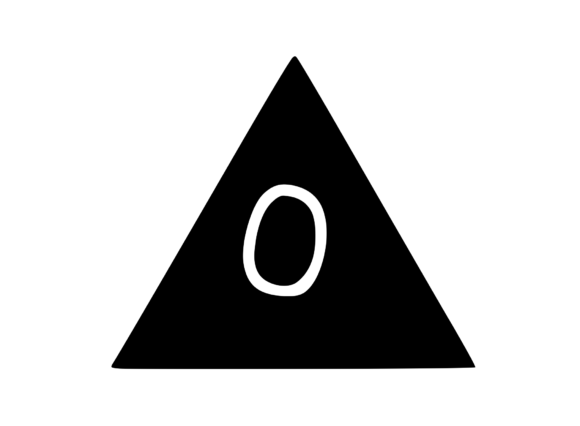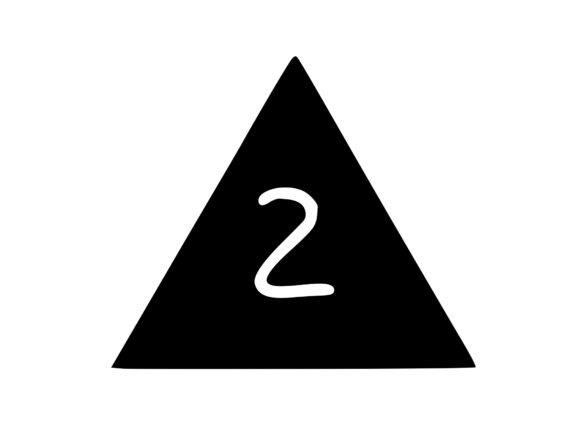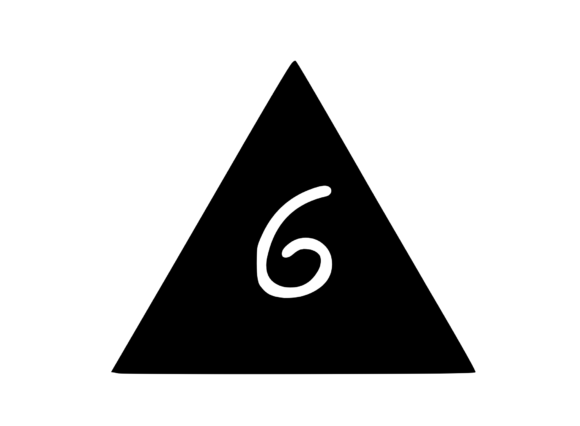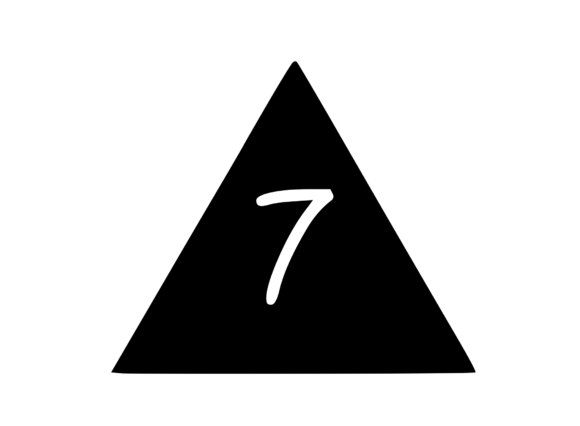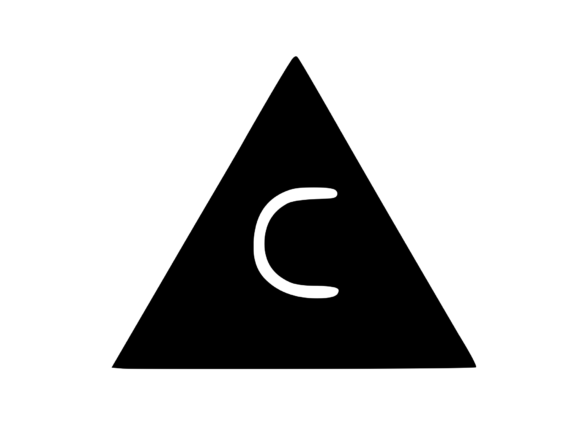
Triangle Shape with Playful Mono C
As a designer who’s worked with countless embroidery files, I always start by evaluating the visual impact and practicality of a design before using it in real projects. Triangle Shape with Playful Mono C caught my eye for its bold, geometric form and playful personality. It’s not just a shape—it’s a statement. The clean lines and minimalist approach make it versatile, but also require careful consideration when translating it into a finished product.
The First Impression: Bold, Playful, and Purposeful
From the moment I opened Triangle Shape with Playful Mono C, I noticed how it balances simplicity with character. The triangle isn’t just a shape—it’s a design that invites creativity. The “Mono C” element adds a touch of whimsy, making it ideal for products that aim to stand out without being overwhelming. It feels like a modern take on traditional embroidery, perfect for artists looking to add a fresh twist to their work.
This design is best suited for custom apparel, tote bags, or baby items where the visual appeal needs to be strong but not too intricate. Its layout suggests a focus on clarity and structure, which means it can work well as an applique design or a satin stitch piece. But don’t be fooled by its simplicity—this design requires attention to detail when it comes to stitching and fabric choice.
Real-World Use: Where It Shines and Where It Needs Care
I tested Triangle Shape with Playful Mono C on a variety of fabrics and found that it performs best on medium-weight materials like cotton, canvas, or lightweight denim. On these surfaces, the design holds up well, with clear stitch definition and minimal distortion. However, I noticed that on thin or stretchy fabrics, the corners can sometimes appear slightly blurred, especially if the stabilizer isn’t properly applied.
This design is great for embroidered patches, sweatshirt embroidery, or tote bag designs. It also works well as a printable mockup for digital product sellers or Etsy listings. But there are some situations where it might not be the best fit. For example, on dark fabrics, the contrast between the thread and background can be less striking unless you choose a high-contrast color. And on textured or layered garments, the design may not show up as clearly as it would on a smooth surface.
Stitching Considerations: What Designers Need to Know
When working with Triangle Shape with Playful Mono C, keep in mind that the stitch density plays a big role in how the final product looks. If the design is too dense, it can cause the fabric to pucker or the stitches to look cluttered. On the other hand, if the density is too light, the design may not hold up well over time, especially on items that get frequent use.
For small hoop sizes, this design may need to be split into sections to ensure proper placement and stitching. It also requires a good quality stabilizer, especially when working with delicate or stretchy fabrics. I recommend testing the design on scrap fabric first to see how it behaves with your specific machine and thread colors.
Designer Notes: Practical Tips for Success
Before finalizing any project with Triangle Shape with Playful Mono C, here are a few key steps I always take:
- Test on scrap fabric: This helps identify any issues with stitch density, fabric distortion, or thread color contrast.
- Check thread color contrast: Ensure the chosen thread color stands out against the fabric, especially on dark or patterned backgrounds.
- Review stitch density: Adjust the settings if needed to prevent puckering or a busy look.
- Confirm hoop size: Make sure the design fits within your hoop dimensions without needing to be split.
- Inspect small details: Pay close attention to the corners and edges, as they can be more sensitive to stitching errors.
- Test in black and white: This helps evaluate how the design looks without color distractions.
- Compare light and dark backgrounds: This ensures the design remains visible and impactful across different applications.
Also, remember to check whether the design is suitable for both personal and commercial use. If you’re selling finished products or digital files, confirm the licensing terms to avoid any legal issues down the line.
Where to Use Triangle Shape with Playful Mono C
This design is ideal for a range of creative projects. It works well as a custom embroidery design for tote bags, sweatshirts, or baby clothes. It also makes a great addition to holiday gifts, personalized gifts, or boutique merchandise. For craft businesses, it’s a solid choice for adding a unique touch to handmade products or Etsy listings.
If you’re an embroidery designer or a small shop owner, Triangle Shape with Playful Mono C can help elevate your brand. Its clean, modern aesthetic aligns well with current trends in handmade and artisanal markets. Just be mindful of the fabric type and stitching requirements to ensure the final product meets your standards.
Final Thoughts: A Versatile Design with Thoughtful Application
Triangle Shape with Playful Mono C is a design that offers a lot of potential, but it requires thoughtful application. It’s not a one-size-fits-all solution, but when used correctly, it can add a fresh, stylish element to your embroidery projects. Whether you’re creating custom apparel, personalized gifts, or small shop merchandise, this design has the ability to make a lasting impression.
As with any machine embroidery design, the key to success lies in understanding the limitations and strengths of the file. By taking the time to test, adjust, and refine your approach, you’ll be able to bring out the best in Triangle Shape with Playful Mono C and deliver a high-quality finished product that your customers will love.